• Skip to primary navigation
  • Skip to main content
  • Skip to primary sidebar
  • Skip to footer
  • Home
  • Blog
  • About
  • The Fine Print
    • Disclaimer
    • Copyright
  • Privacy Policy
  • Contact
  • Paul Ooi Modelworks
  • Nav Social Menu

    • Email
    • Instagram
Paul Ooi Modelworks

Paul Ooi Modelworks

Building a better world, one scale model at a time

  • Index
    • Aircraft
      • WW1 Aircraft
      • Inter-War Aircraft
      • WW2 Allied Aircraft
      • WW2 Axis Aircraft
      • Modern Aircraft
    • Armored Fighting Vehicles
      • Artillery
      • WW1 AFVs
      • WW2 AFVs
      • Tractors and Buldozers
      • Cold War AFVs
    • Ships
      • WW1 Ships
      • Inter-War Ships
      • WW2 Allied Ships
      • WW2 Axis Ships
      • Modern Ships
    • NordicCon Show
    • Figures
    • Buildings
    • Sci-Fi
    • Miscellaneous
  • Tutorials
    • Tutorial 1: Making a Wooden Platform Helipad
    • Tutorial 2: Wooden Hard Stand for Aircraft
    • Tutorial 3: Filling Large Plastic Seams
    • Tutorial 4: Diorama, Sicily 1943
    • Tutorial 5: Making a Gun Emplacement with Earthworks
    • Tutorial 6: Basic figure painting (1/35 scale or 54mm)
    • Tutorial 7: Filling Large Mouse Bite Gouges
    • Tutorial 8: Frames for Vacuum Formed Clear Canopies
    • Tutorial 9: Prepared Tank Position Diorama
    • Tutorial 10: Installing Multi-Piece Track System
    • Tutorial 11: Masking and Painting “Bird-Cage” Clear Canopies
    • Tutorial 12 – Aircraft Wing Tip Navigation Lights with Colored Bulbs
    • Tutorial 13 – Installing Wood Laminate Deck for Model Warships
    • Tutorial 14 – Painting a Rusted Muffler and Exhaust Pipe System
    • Tutorial 15 – Painting German Red Oxide Finish for WW2 Tanks
    • Tutorial 16 – Creating a European cobblestone street base
Home / Armored Fighting Vehicles / Light and Mighty Tanks of WW2 -Airfix JagdPanzer 38(T) Hetzer & The Russians Who Saved Prague

Light and Mighty Tanks of WW2 -Airfix JagdPanzer 38(T) Hetzer & The Russians Who Saved Prague

Armored Fighting Vehicles, WW2 AFVs

4th in the series of Light and Mighty Tanks of WW2.

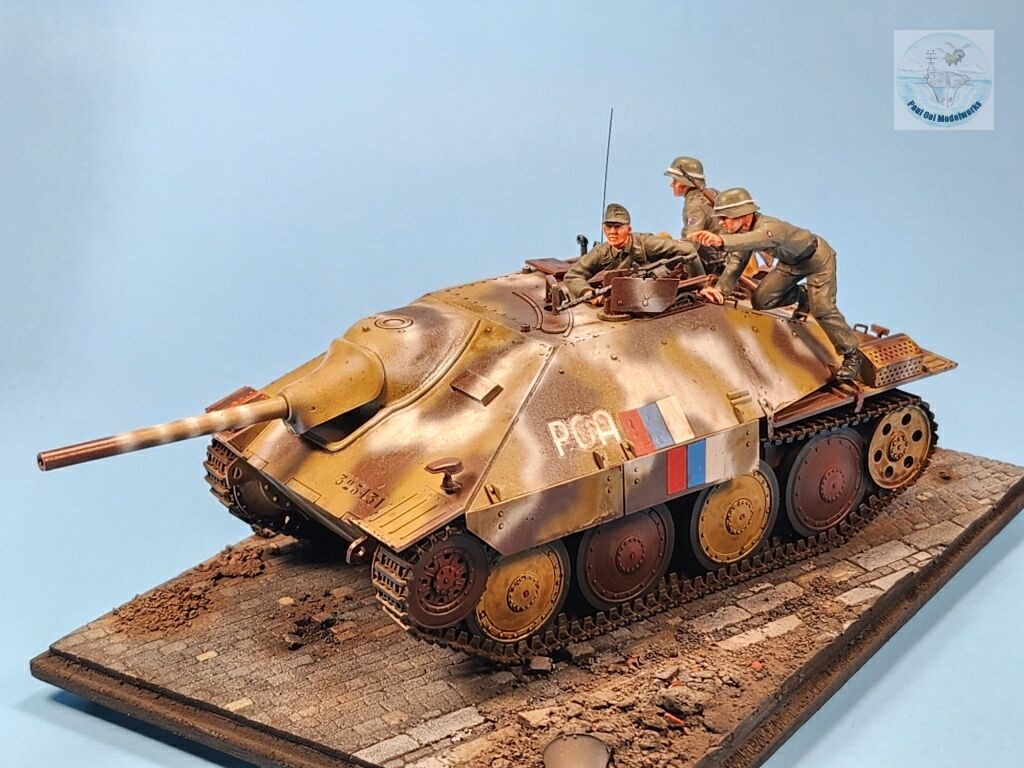
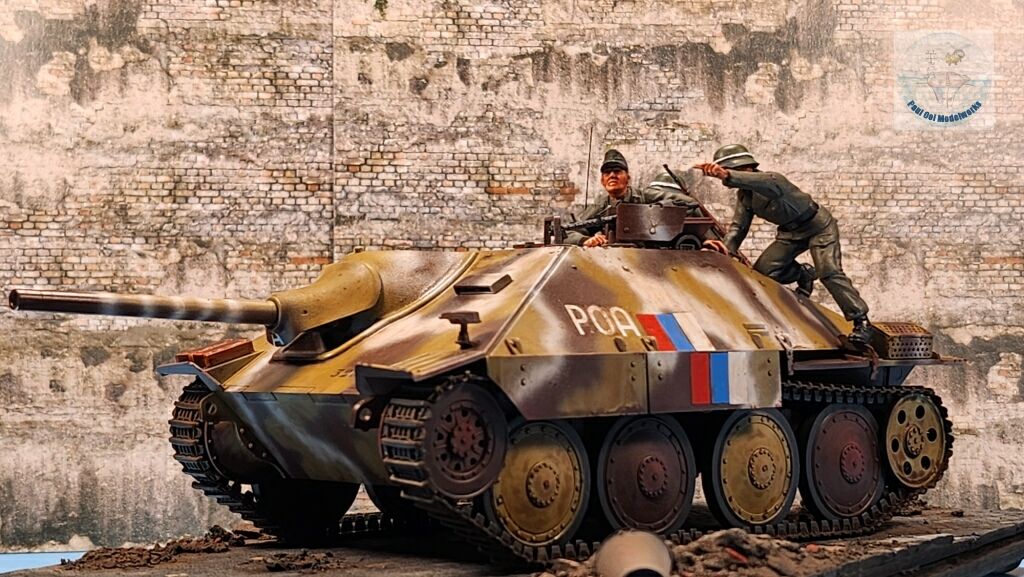
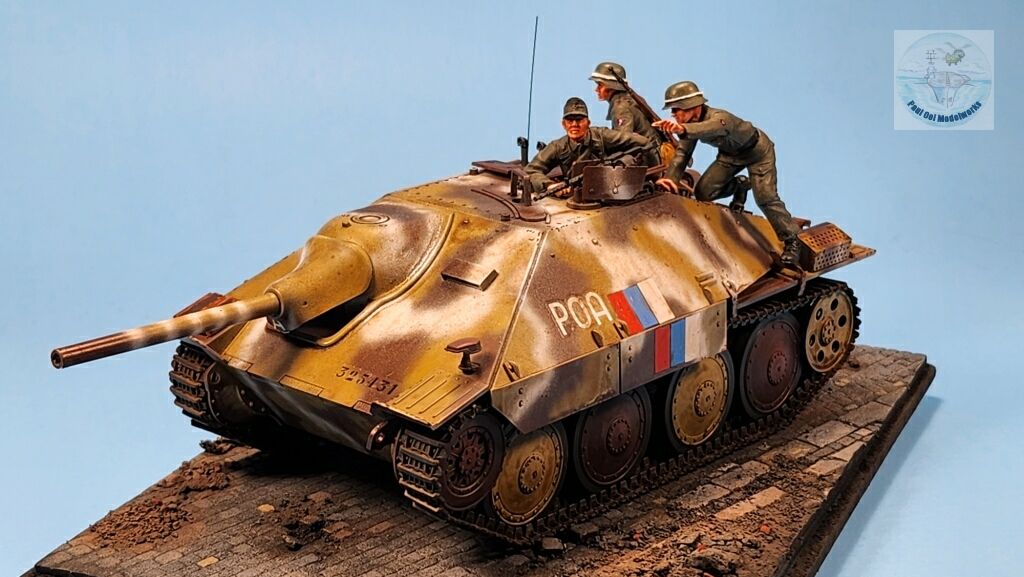
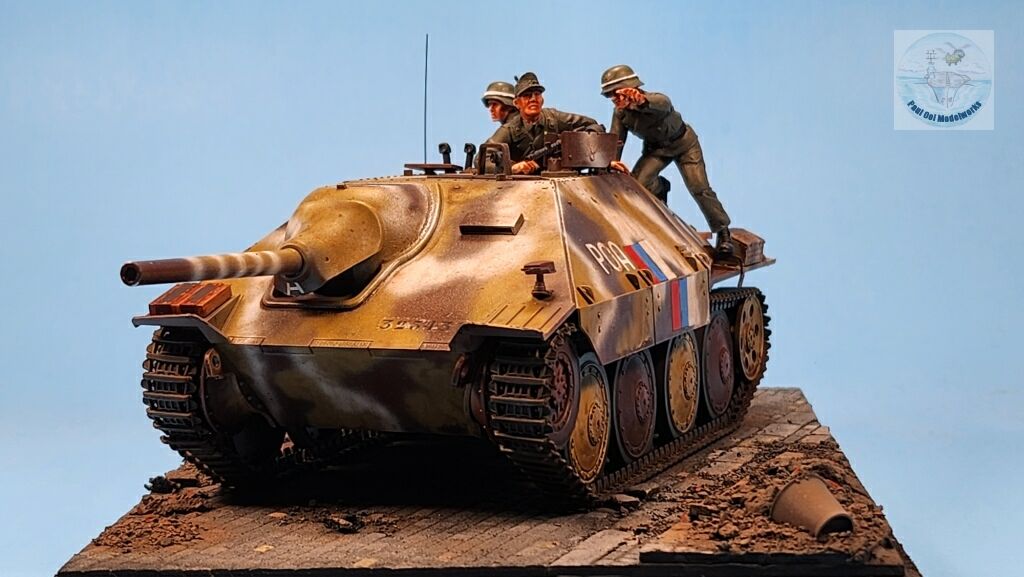
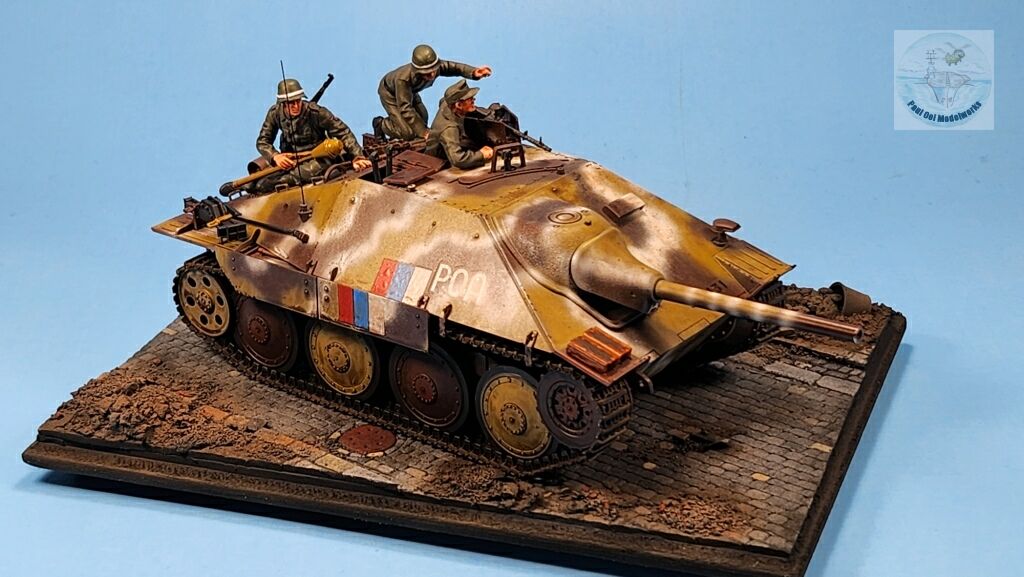
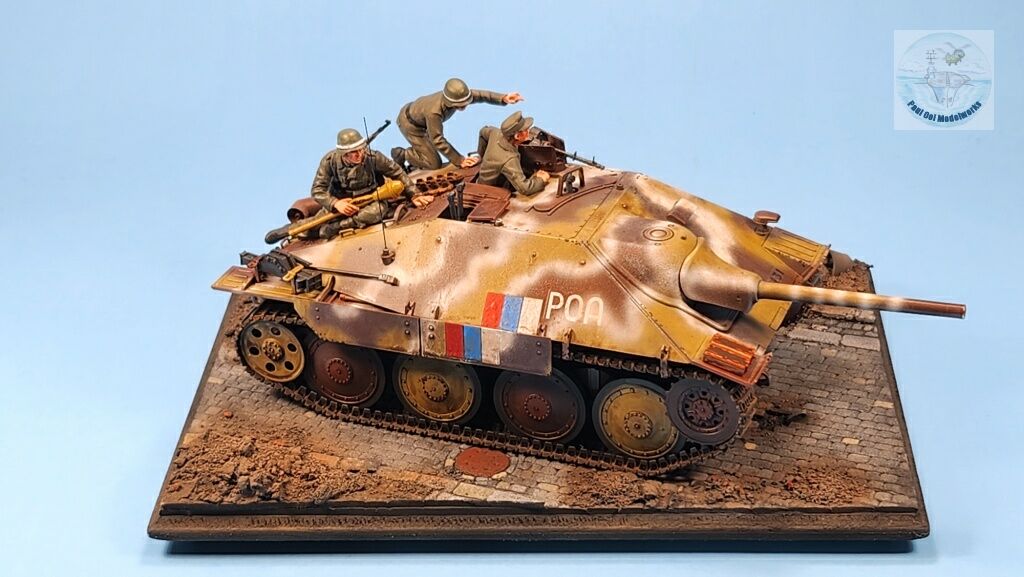
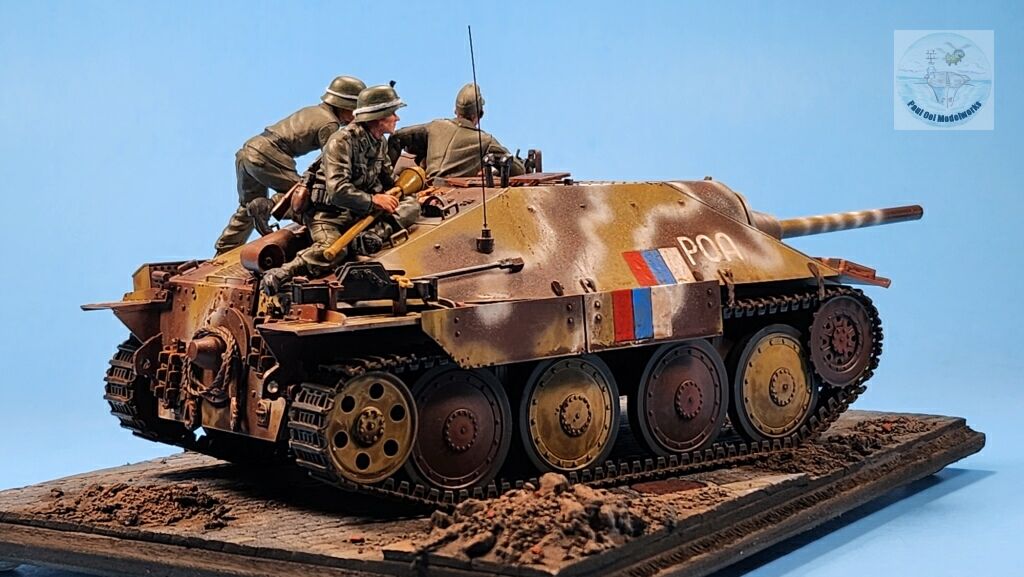
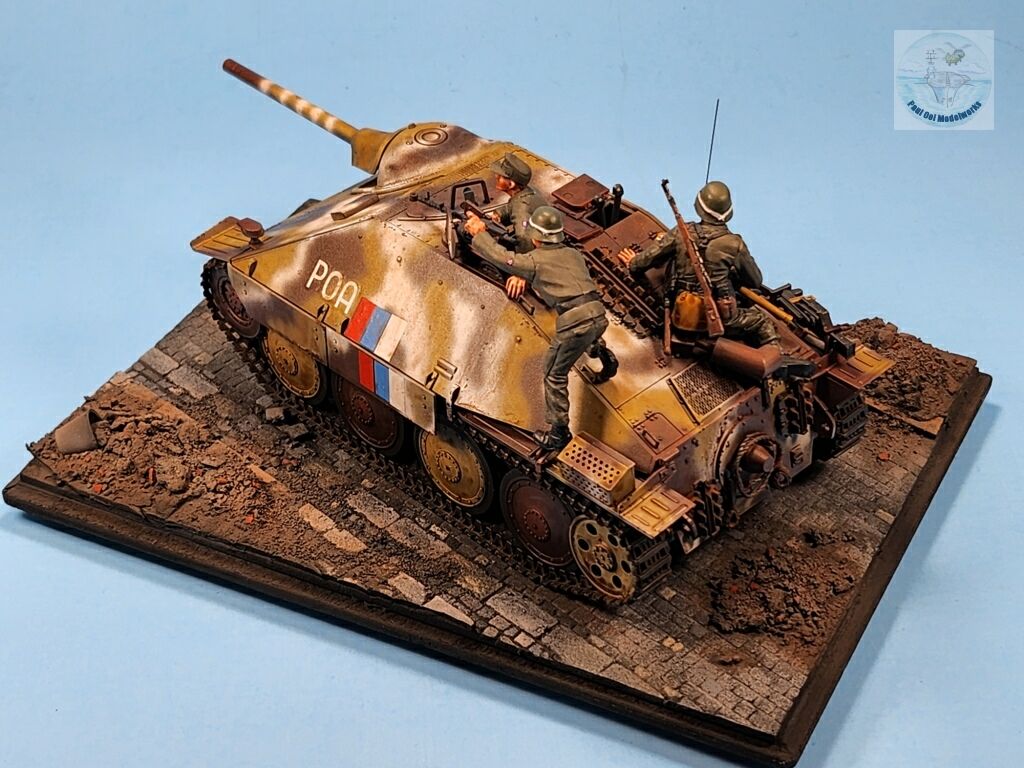
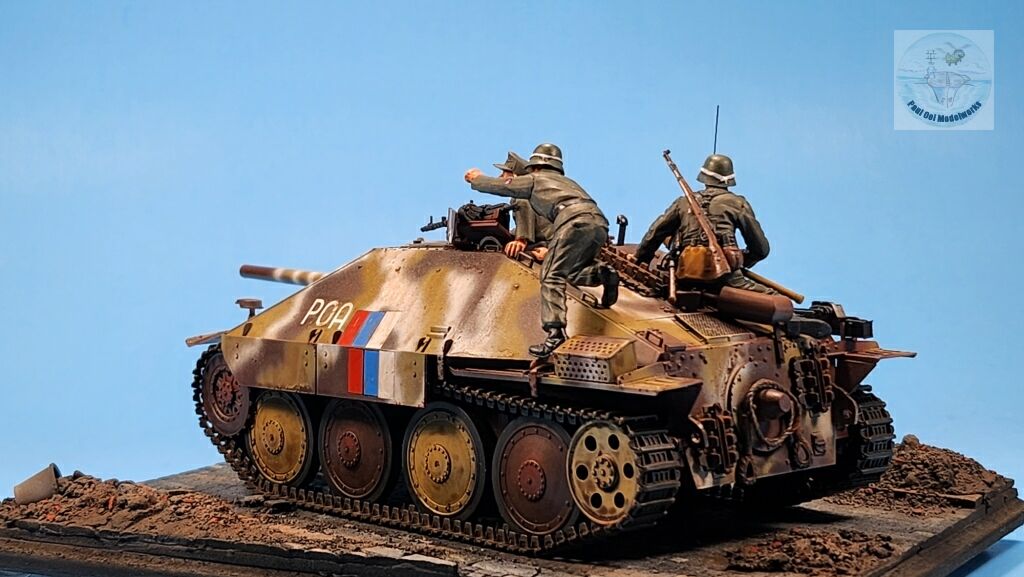
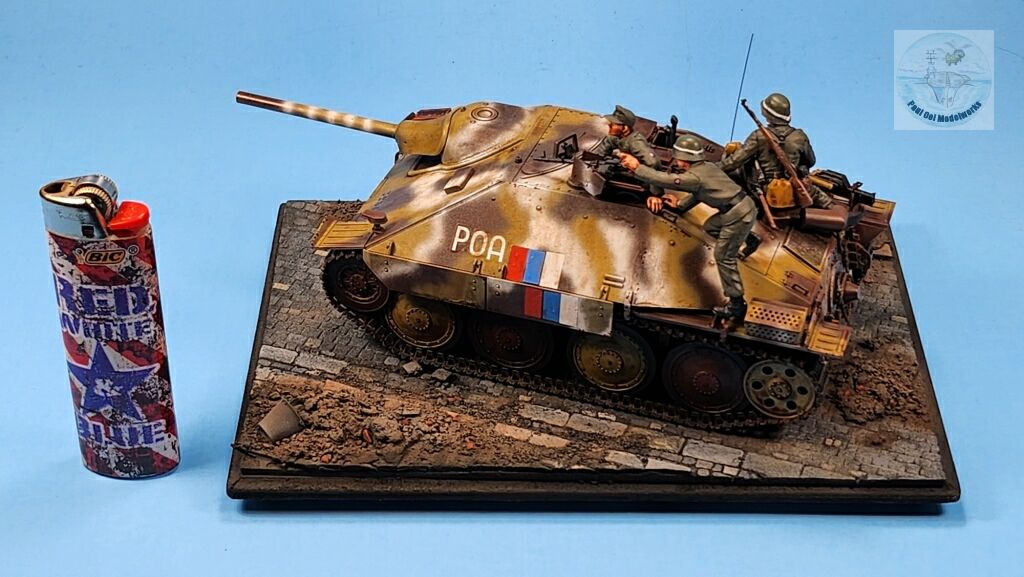
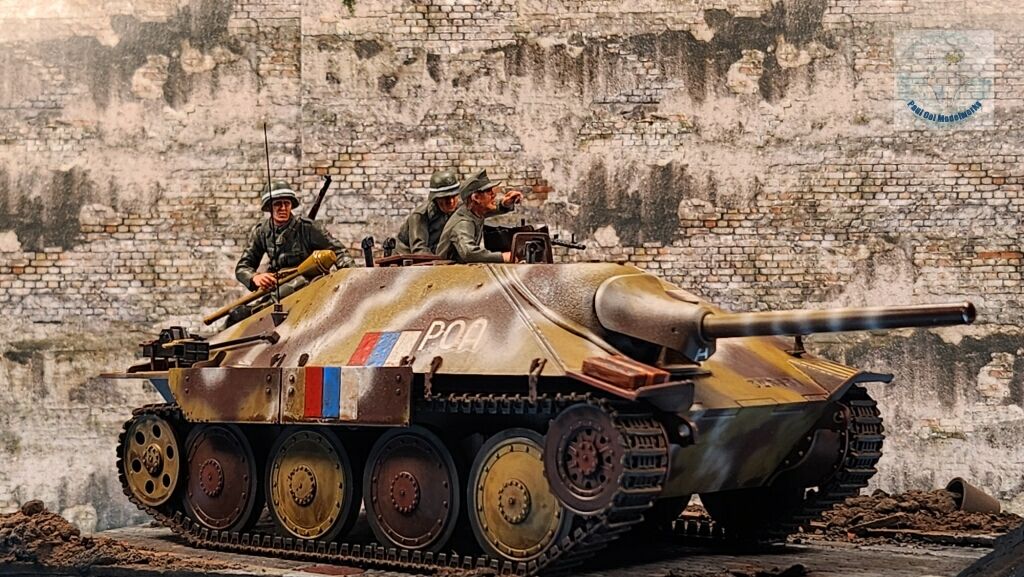
There was a time when a Russian division, not a Soviet one, came to the rescue of the Czechs to save the city of Prague from destruction. As Patton’s army reached Pilsen in Czechoslovakia and the Soviet divisions were closing in from the East, the people of Prague rose up in armed insurrection against the Nazis. However, the Czechs were poorly armed, and even in its death throes, the Third Reich fielded a formidable force called SS-Kampfverband Wallenstein to destroy the uprising and the city of Prague. On May 6th 1945, the Russian Liberation Army (ROA) 1st Division, equipped with German uniforms and heavy equipment arrived near Prague and switched sides to help the Czechs against the SS. The 20,000 men of the anti-Soviet ROA were crucial in preventing the destruction of Prague and the defeat of the SS units. It also proved that with proper equipment, the even the former-POW Russians could beat the elite SS in their own ground.

Among the heavy armor that the ROA brought with them were several E-10 Hetzer tank destroyers. These actually faced off against other Hetzers used by the SS, as these were some of the most common tank destroyers that the Germans fielded in the last year of the war. Built on the reliable and tested Skoda 38t chassis (see my post of the Panzer 38t), the low slung but heavily armed Hetzer did very well in ambush kills. While the interior was cramped, the light tank destroyer made up for it with agility, ease of operation, and a low profile that improved its survival in a very dangerous late-war field. Even as the German high command surrendered to the Allies in Germany on the 7th of May 1945, heavy fighting was still going on that day in Prague. Alas, the brave men of the ROA were about to be betrayed by the Czech National Council that was dominated by communists. Once it was known that Patton had been halted to allow the Soviets to occupy Prague, the council turned on their erstwhile rescuers and ordered the ROA to leave Prague.

The division raced west to try and surrender to the Americans near Pilsen. Here they were betrayed a second time. An agreement among the Allies with Stalin at Yalta had sealed the fate of the anti-Stalin men of General Vlasov and the ROA. The ROA were disarmed and sent back as prisoners by the Soviets. The officers and many NCOs were summarily executed. Some small groups of ROA managed to escape through American lines into the west, but the rest were captured by the Soviets and sent to the gulags in Siberia, where about 20% died under harsh conditions. The ROA survivors were allowed back into Soviet society after 1955 but they still faced censure and prejudice until official rehabilitation and given full military honors in the 1990s.

Gallery
https://www.paulooimodelworks.com/wp-content/uploads/2026/01/1000017859.mp4

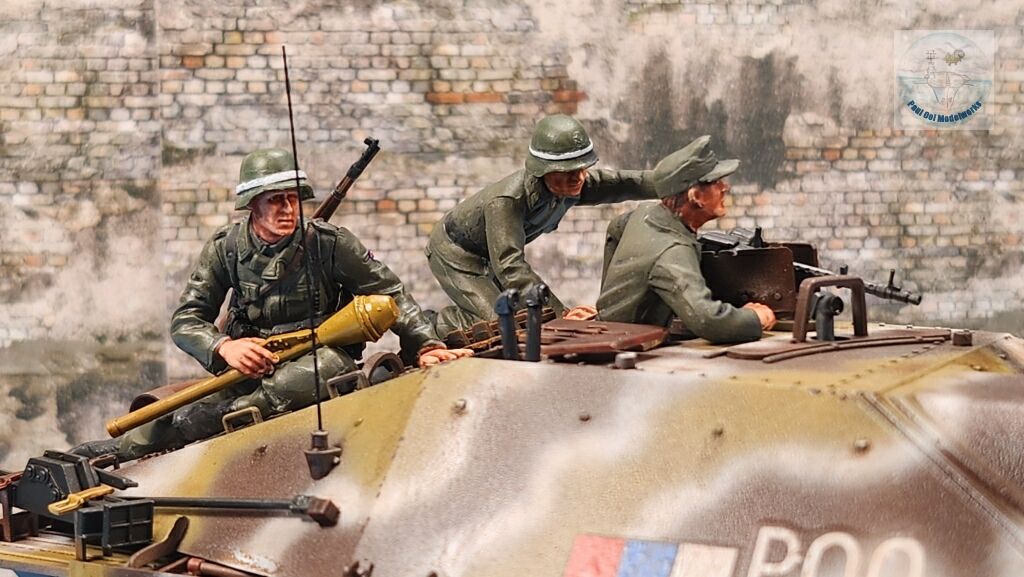
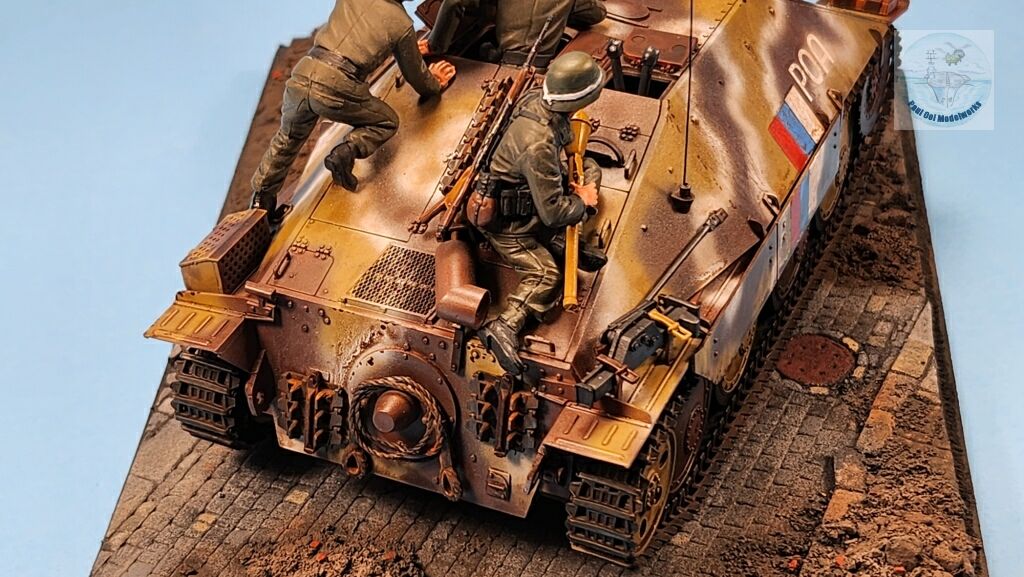
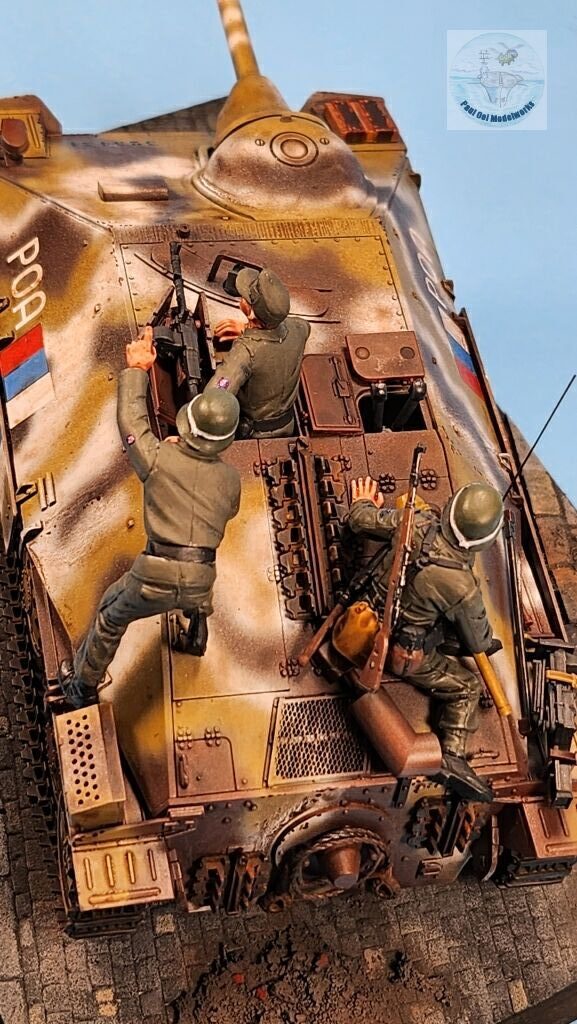
BY the end of WW2, notice the practical and almost-modern appearance of the German field gear


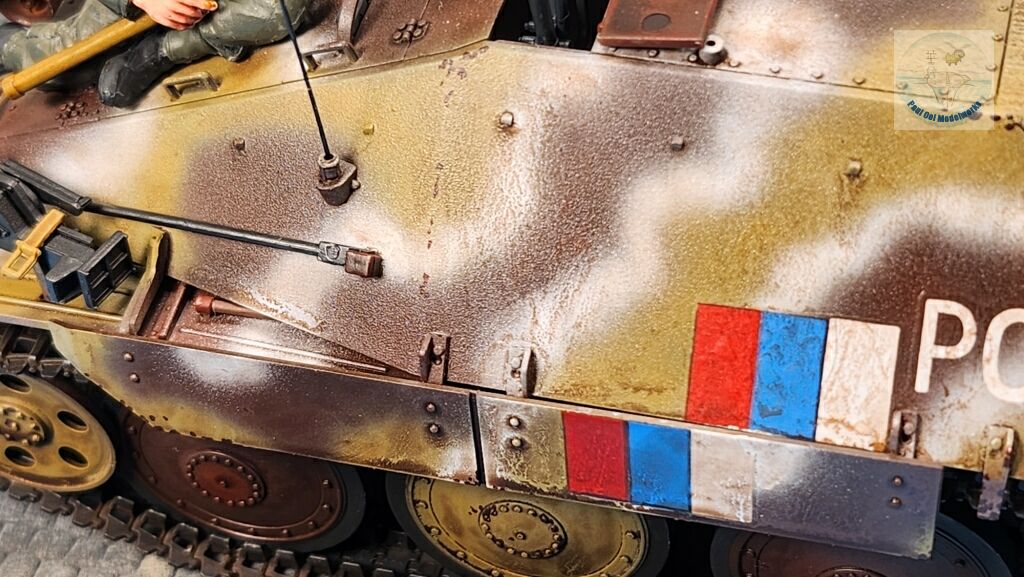
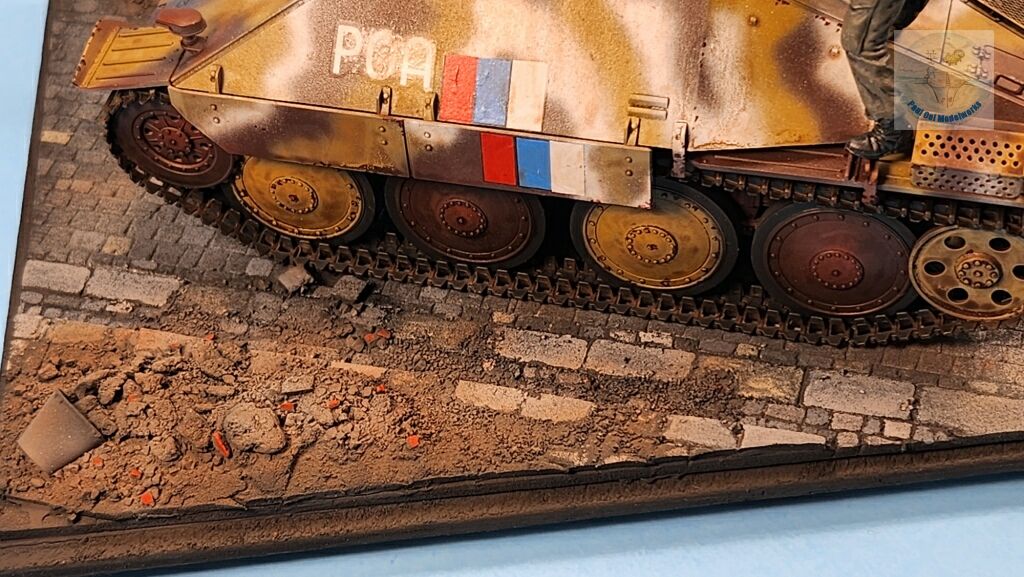
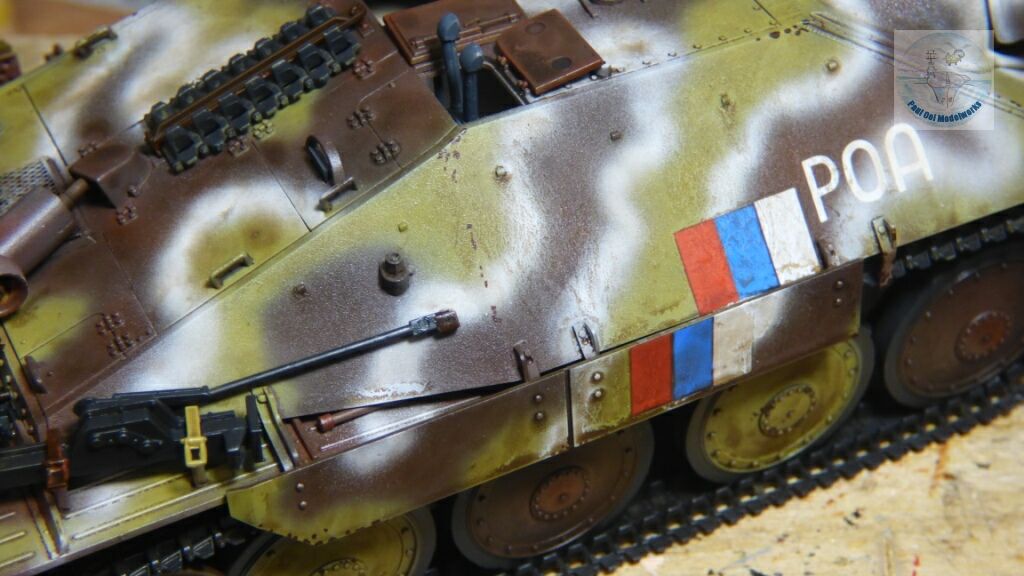
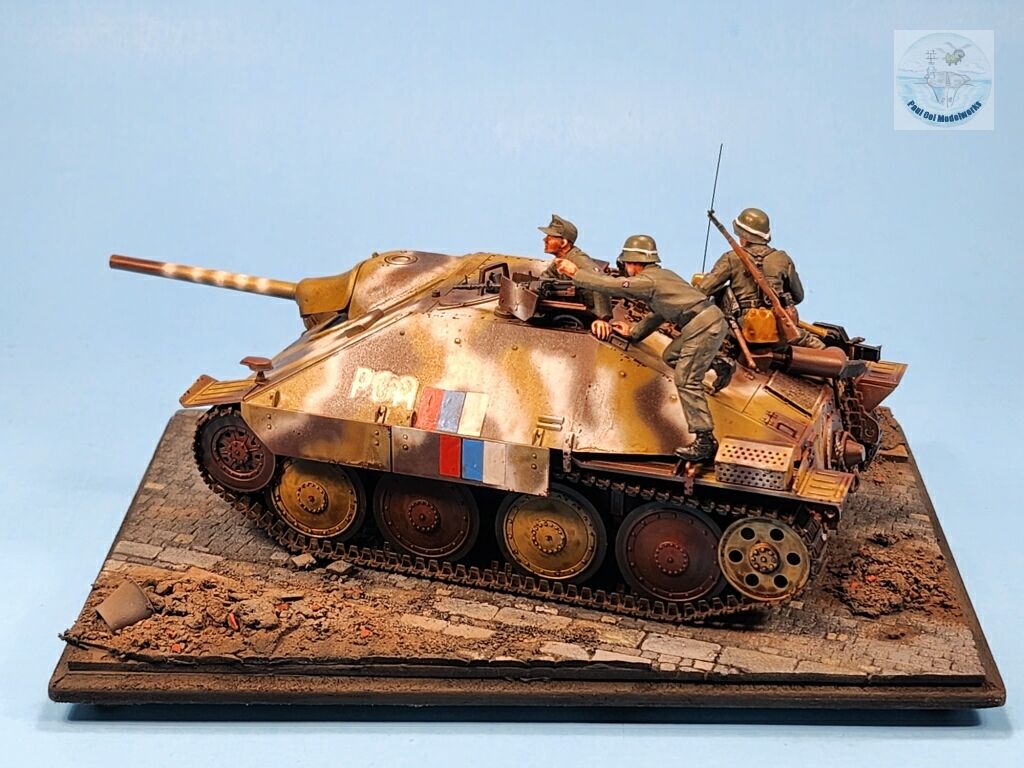
The heavy weathering of the exposed red oxide primer layer and detail of the skirt plates


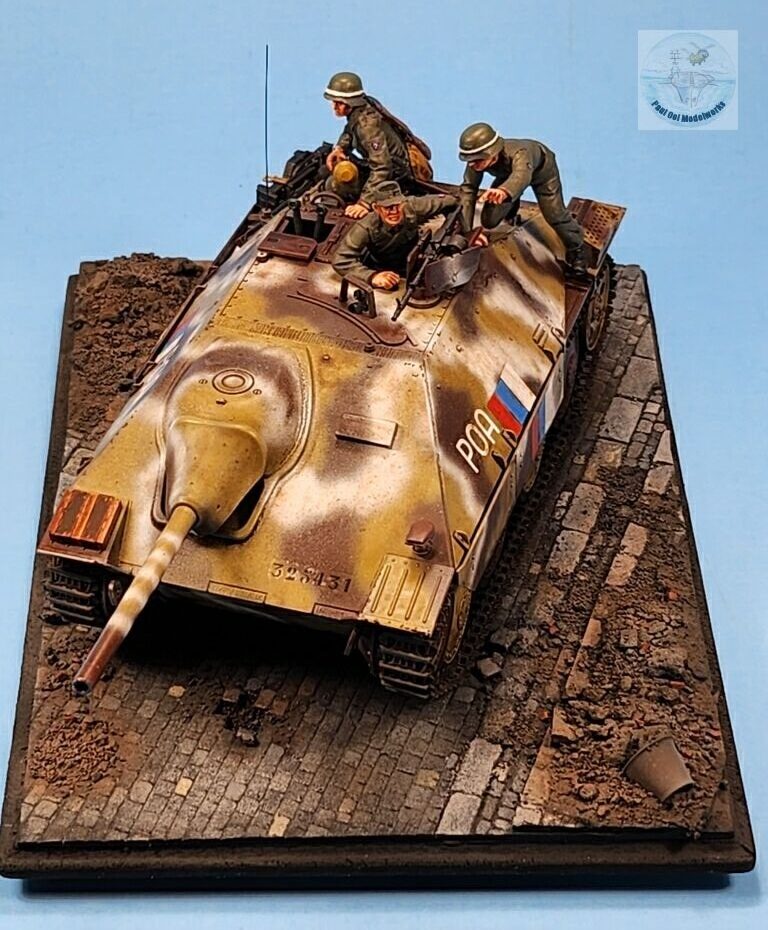
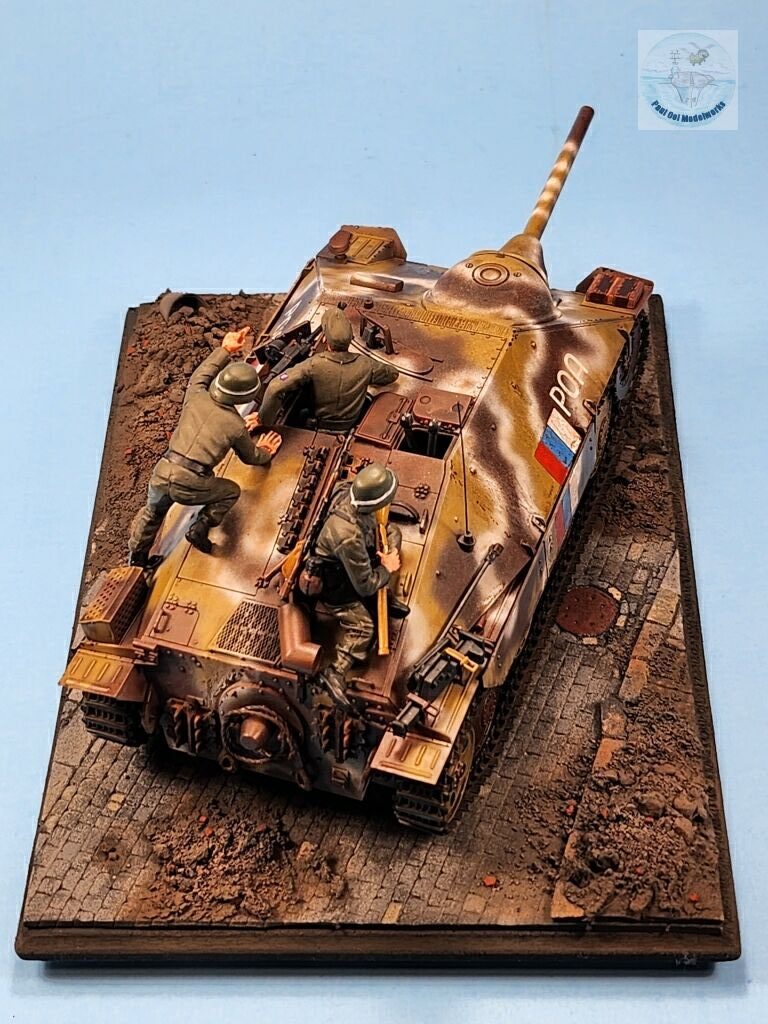
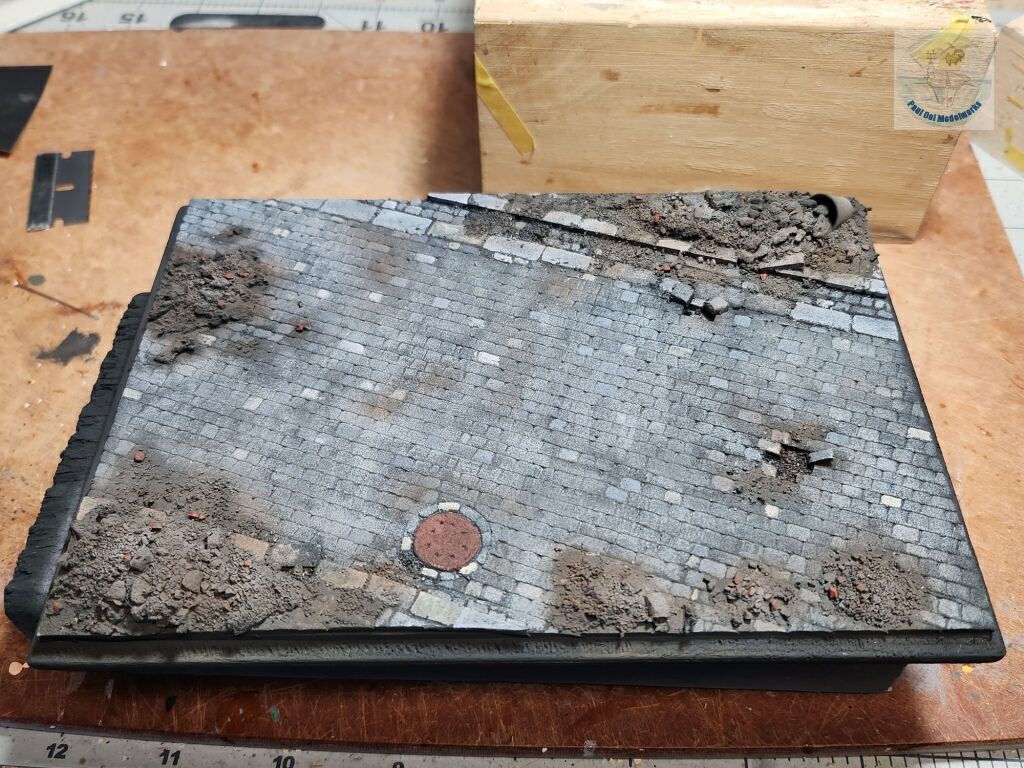
Detail of the cobblestones


Construction Notes

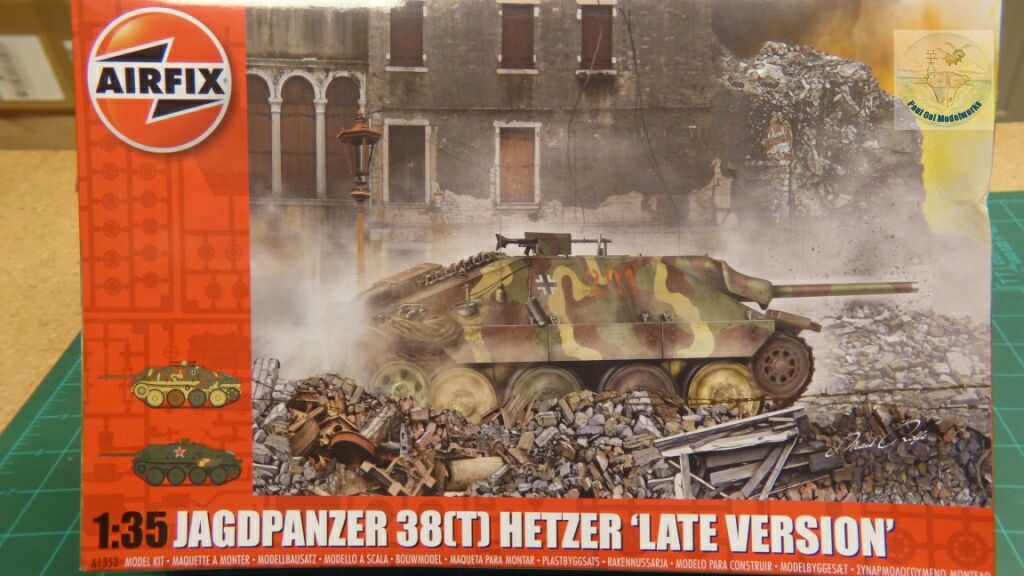
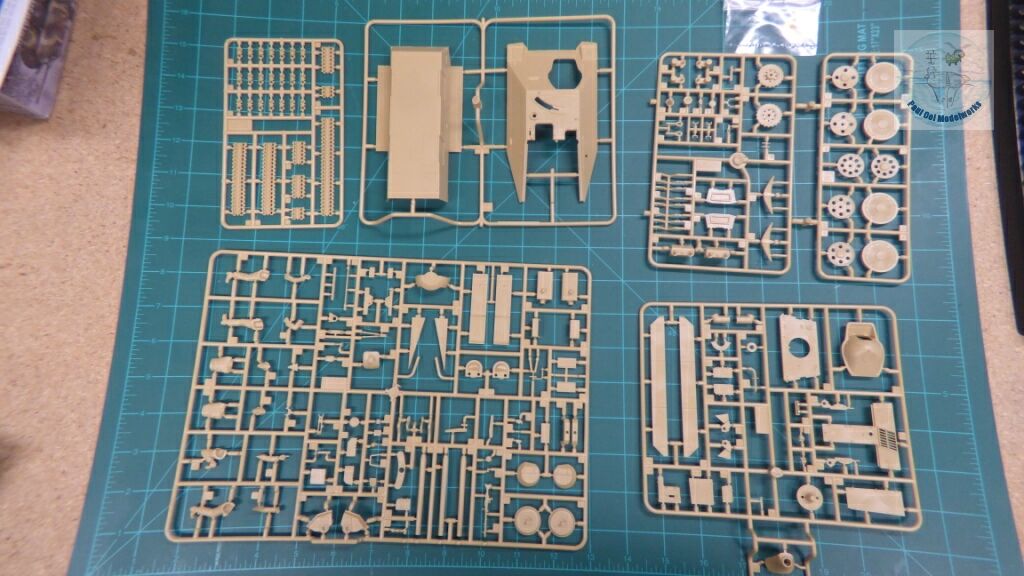
There are at two excellent 1/35 scale kits of the Hetzer. One was made by Tamiya, and the other by Academy, re-released under Airfix with different markings. It is the latter I am building with here. The fit of the kit is excellent, and apart from a few places with ejector marks, the parts are very weld molded with little to no flash at all. I would recommend this kit for intermediate to advanced builders, simply because German camouflage schemes are always challenging. The fit is alright for a beginner (with some care) but I would then choose the single overall green color for the Bulgarian version.
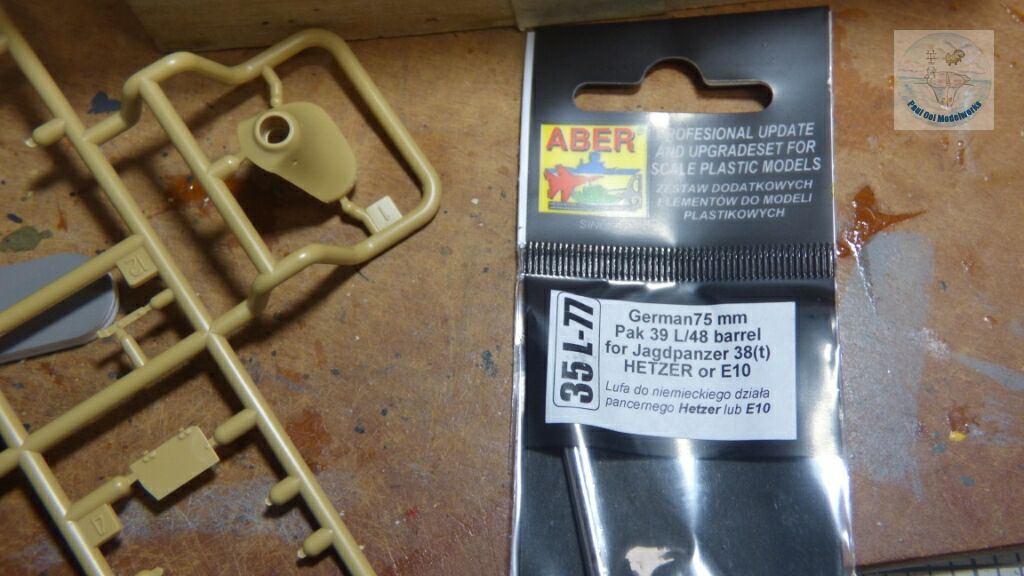
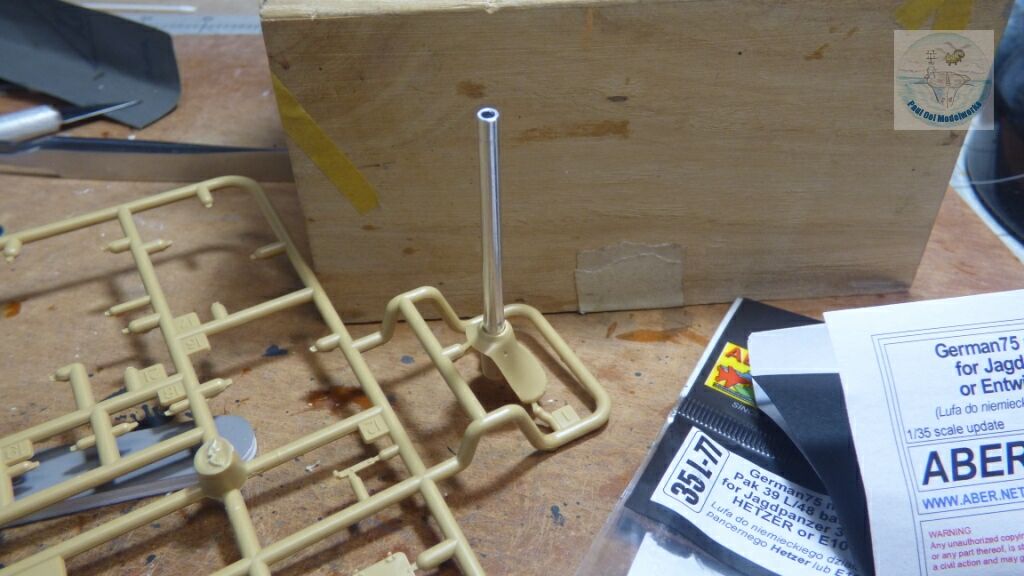
The only aftermarket part that I added was Aber’s aluminum barrel, as I felt that the appearance of the kit barrels seem a little bit on the thicker side for a 75mm Pak 39.


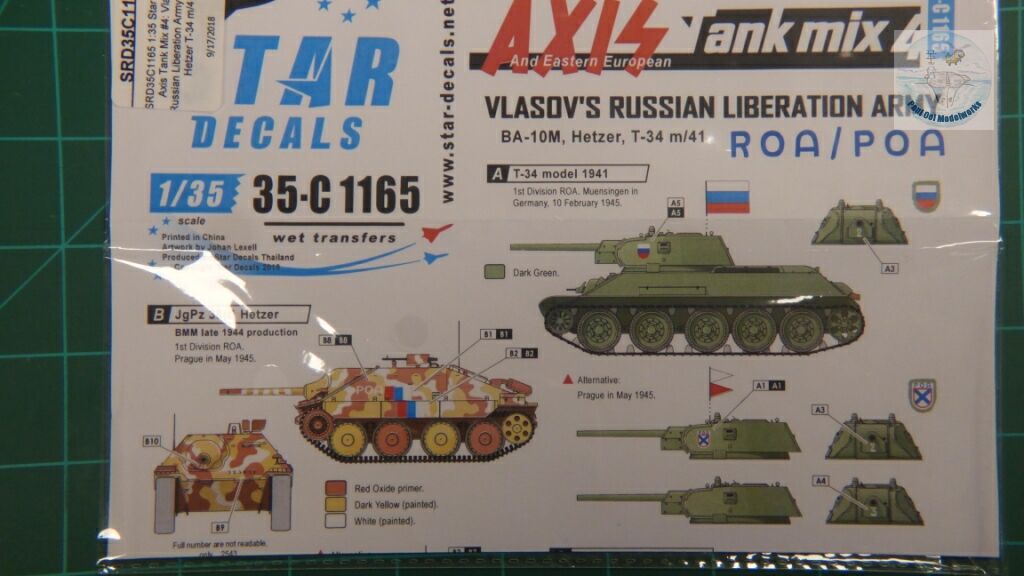
I managed to get this very good set of decals from TAR Decals for the markings and color guide for the ROA.


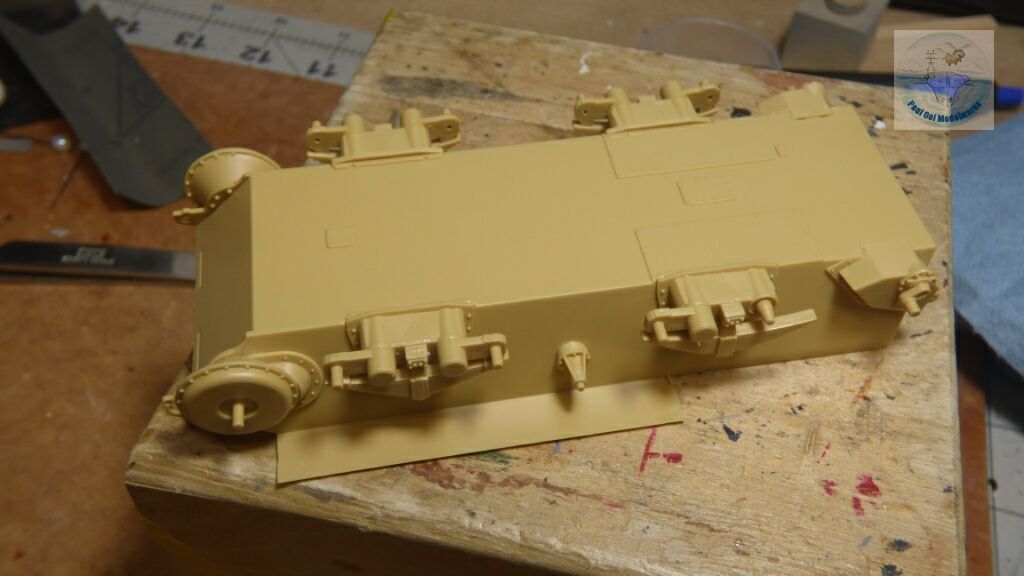
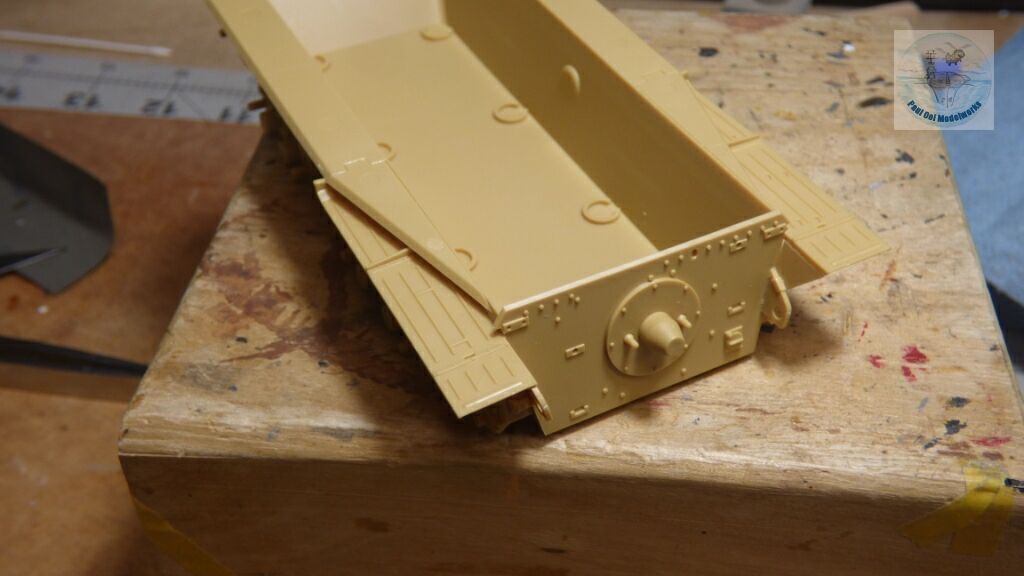
Construction starts with building the lower hull body and the suspension system. The fit and alignment is very good and self-leveling, unlike the Tamiya one that required a jig to get all the bogies to line up.


The rear bulkhead with the starter access port completes the lower hull main assembly.


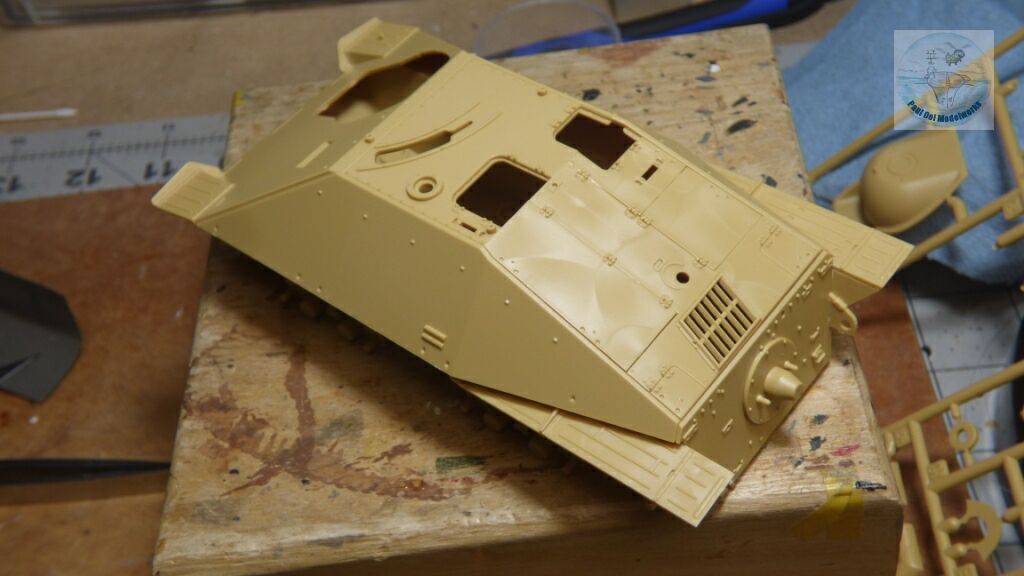
The upper hull assembly is relatively sparse, and I built all the engine hatches closed since I do not have any engine insert to display.


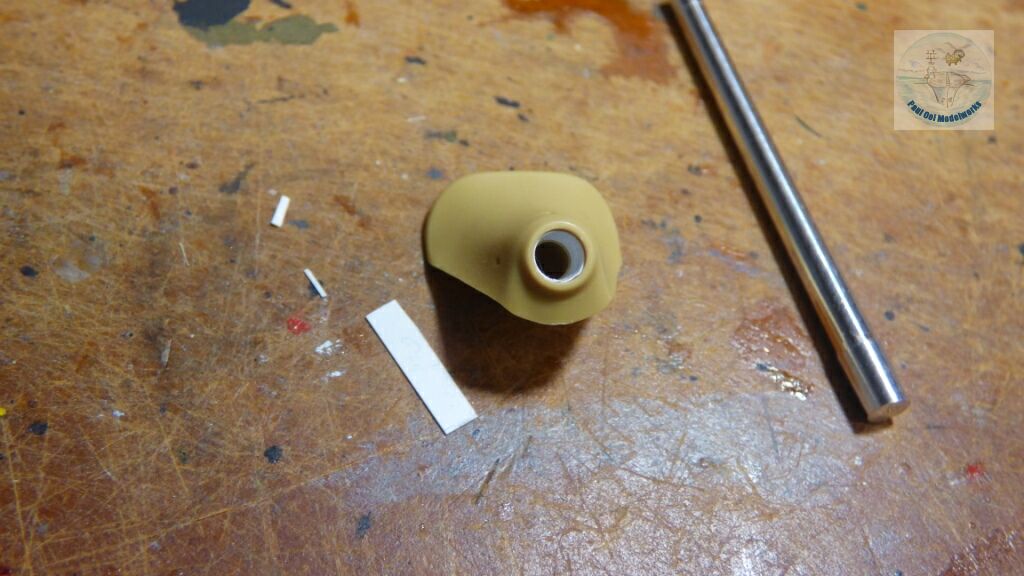
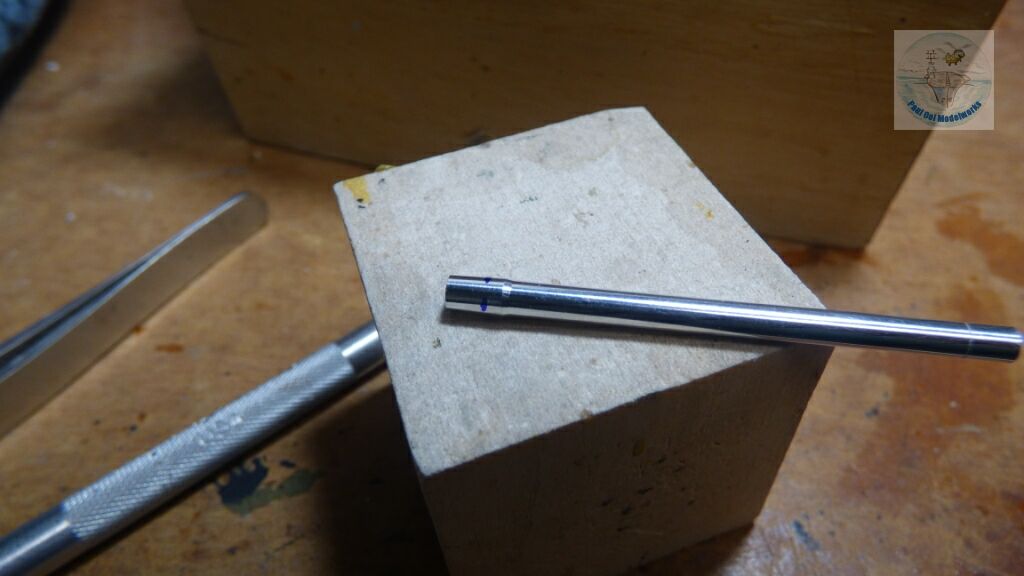
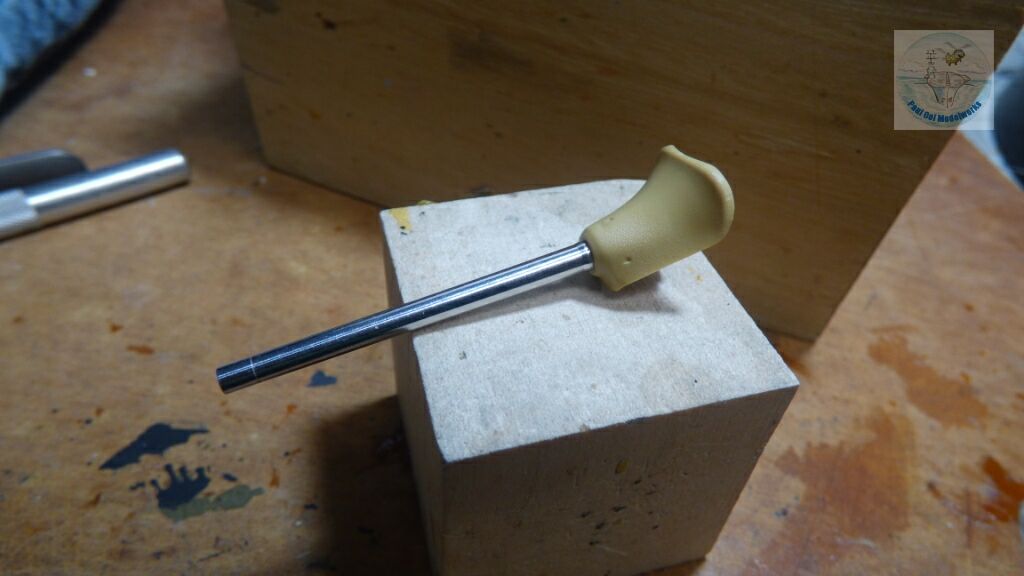
Grafting the aluminum barrel onto the gun mantlet requires some patience and care. The root of the aluminum barrel is a little longer than the kit mantlet bore. Also, the barrel was a little loose in the mantlet mounting bore hole.


To improve the fit of the barrel, I added a very thin collar of Evergreen polystyrene sheet, approx 0.15mm.
Marking off about 1/8″ of excess root material (marked with blue ink) for removal
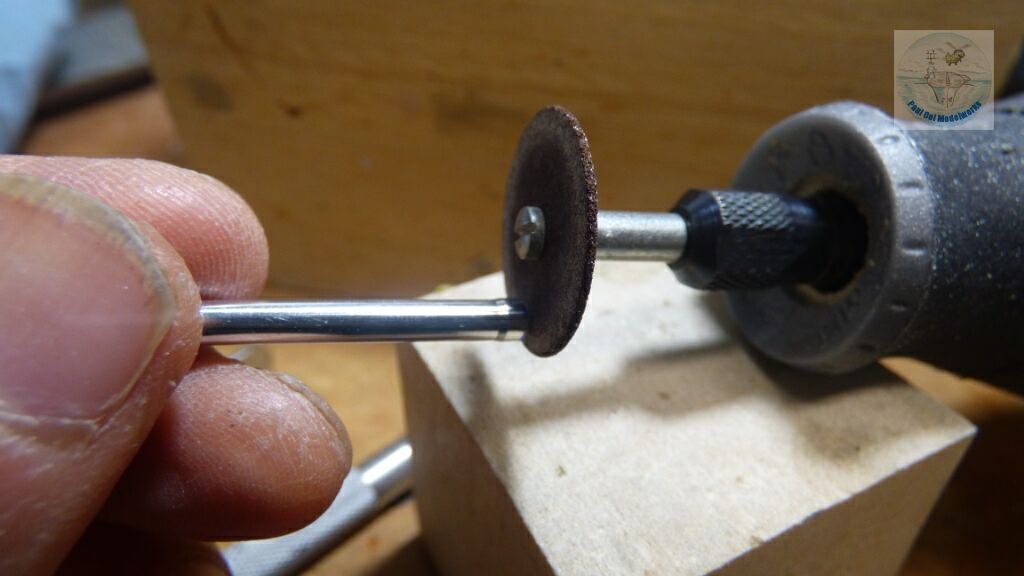
Sawing off the excess with a Dremel parting-off tool
The barrel root should sit nicely flushed with the mantlet.

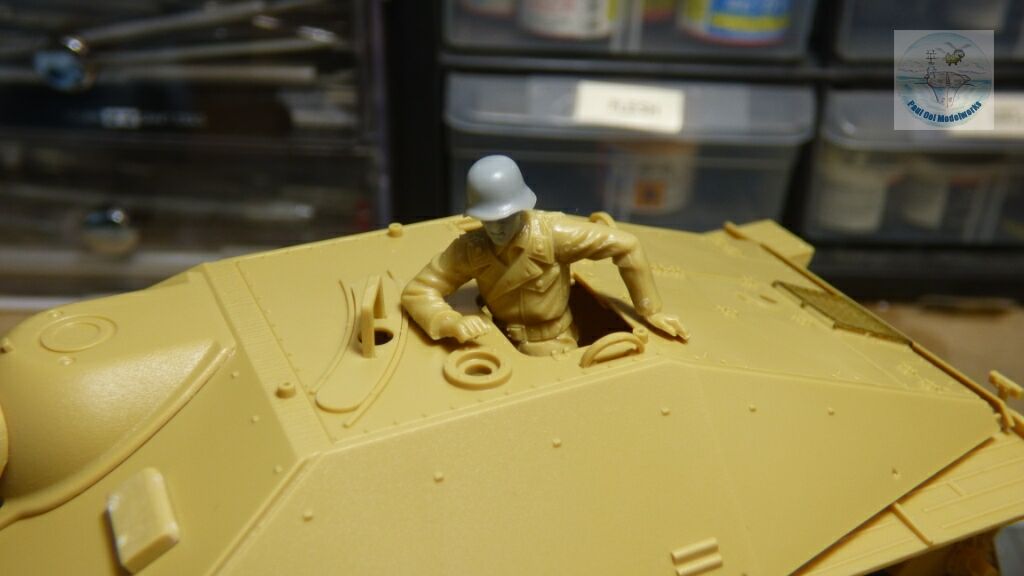
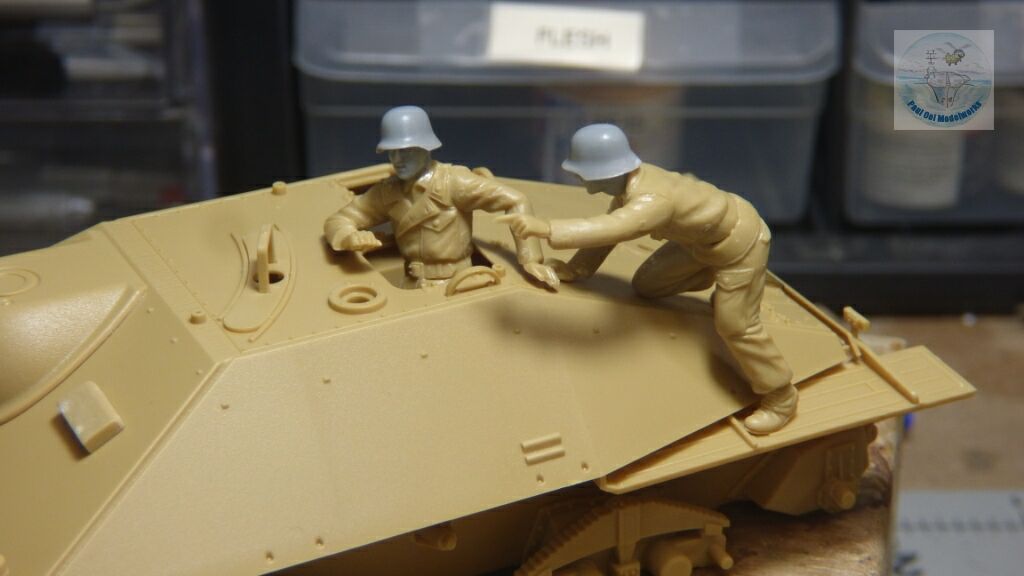
At this point, I needed to test fit the crew figures to ensure that supports inside the hull where there for the commander, and how the second crewman would be positioned relative to him. I had grafted on metal helmets and heads from another Dragon Arnhem Panzer Grenadiers.


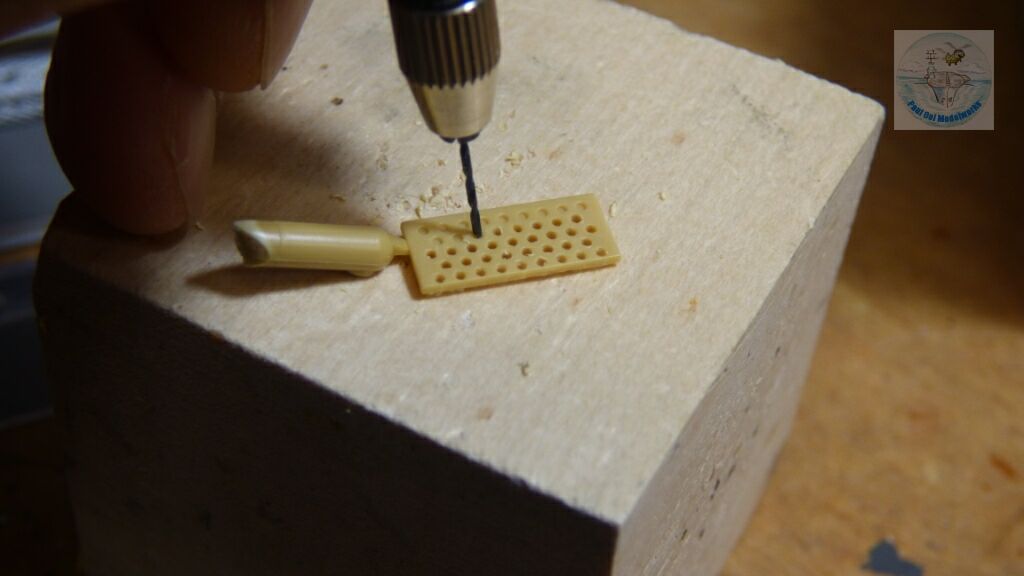
The tool box on the rear left quarter was supplied with the molded perforations as molded indents but no through holes. I manually drilled these out with a pin drill.


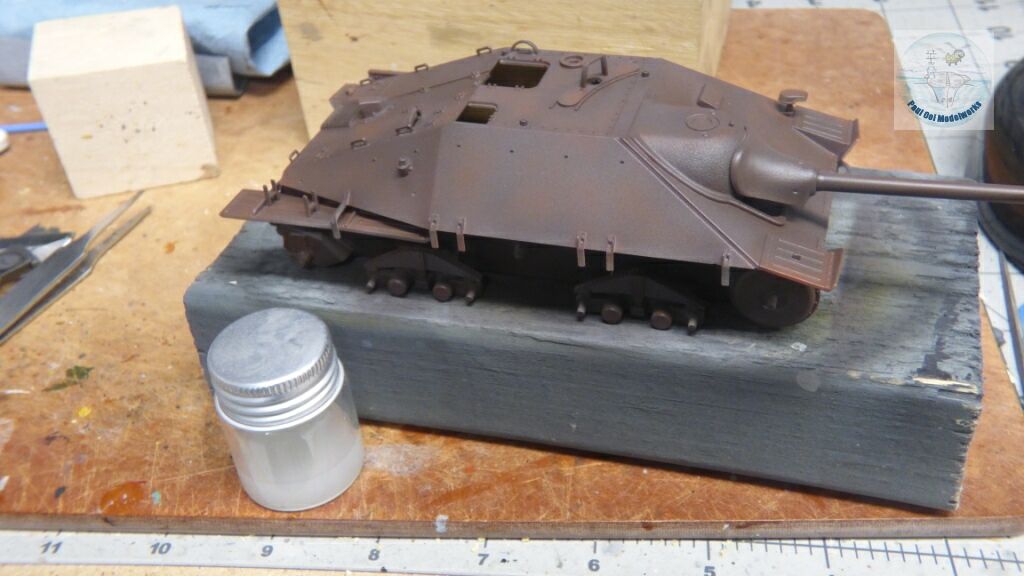
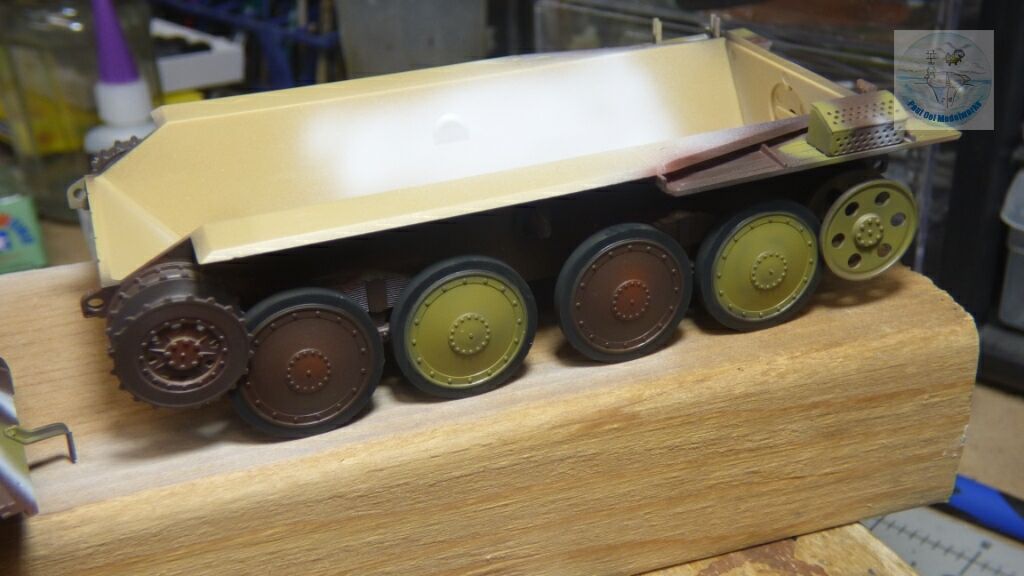
For the painting sequence using Vallejo’s German Red Oxide paint kit, please refer to Tutorial 15. The end of that sequence was an overall brown to red-looking hull as one primed hull would look in the factory.


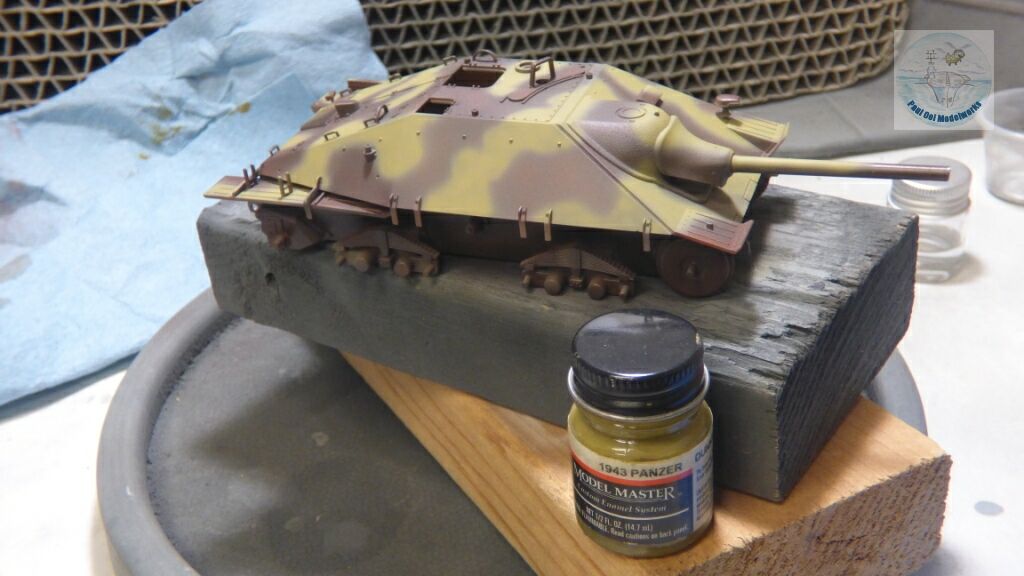
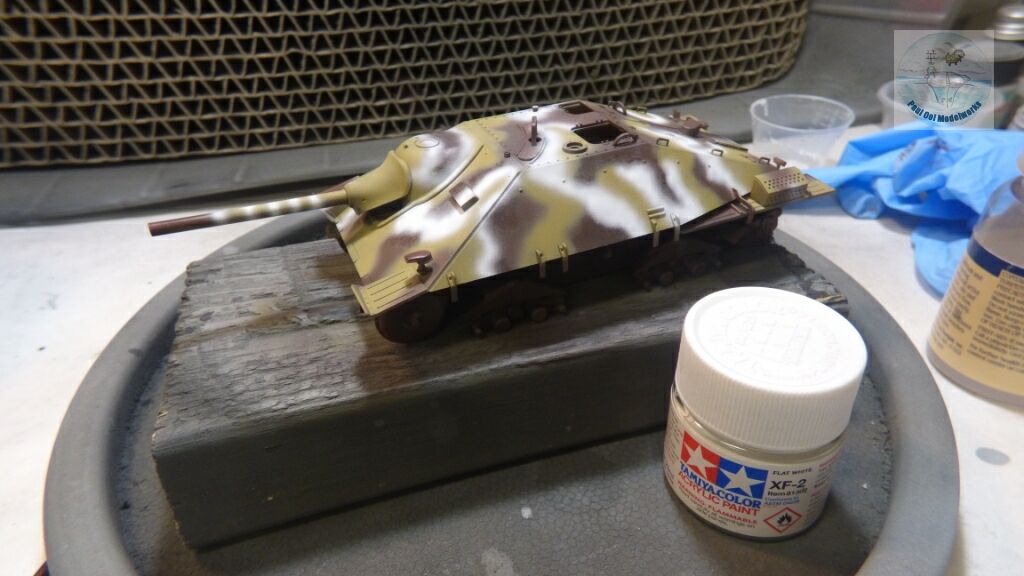
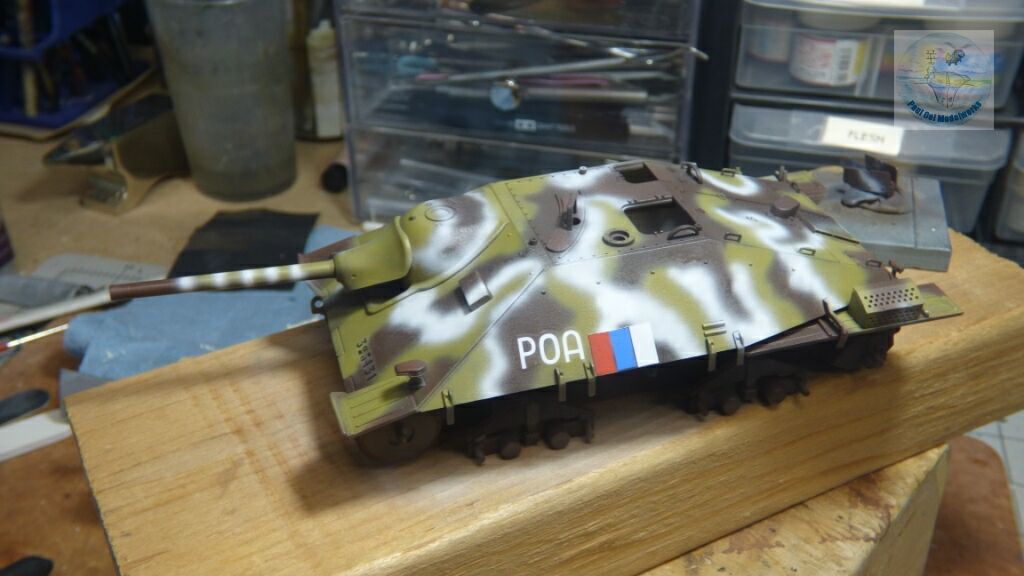
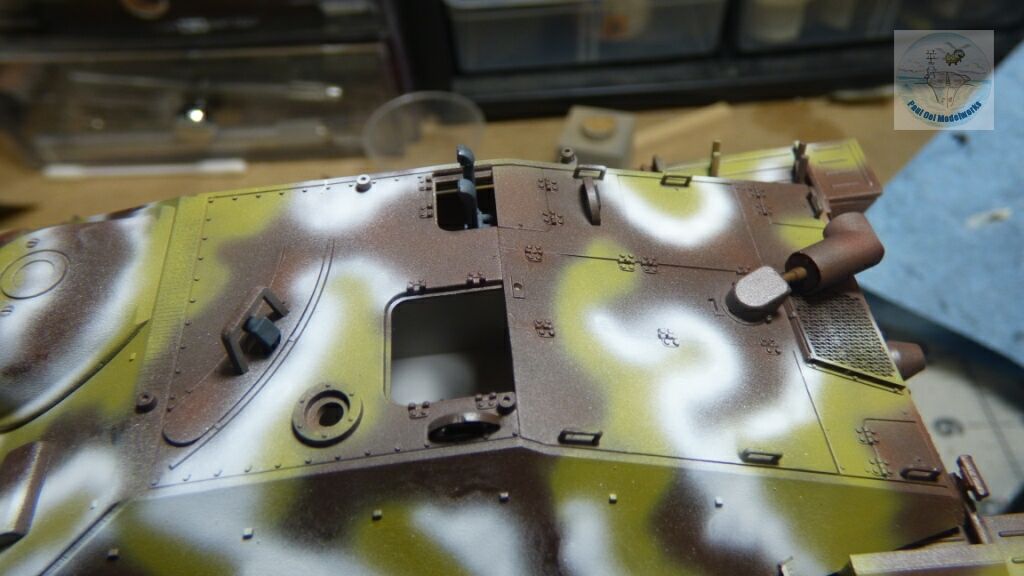
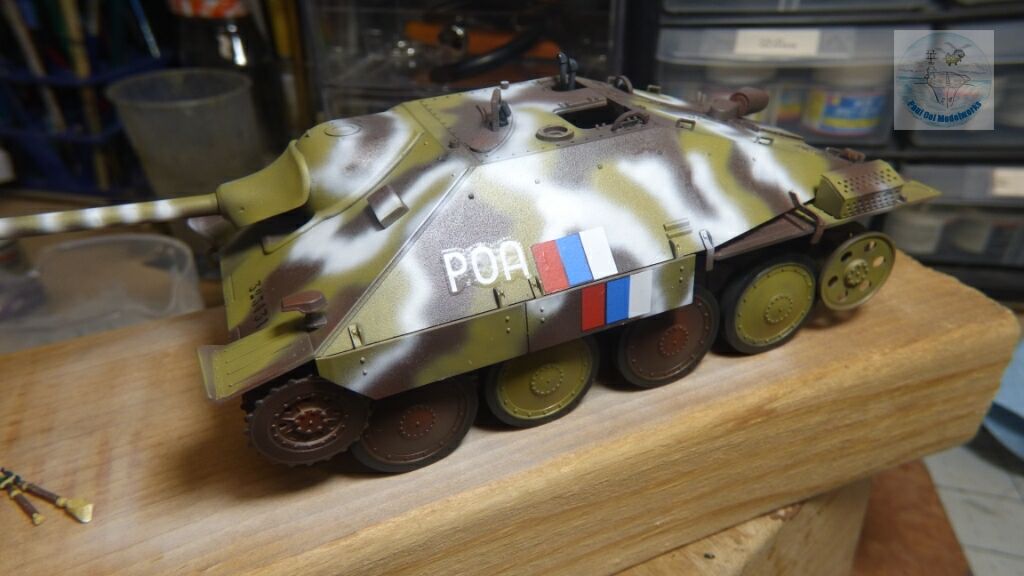
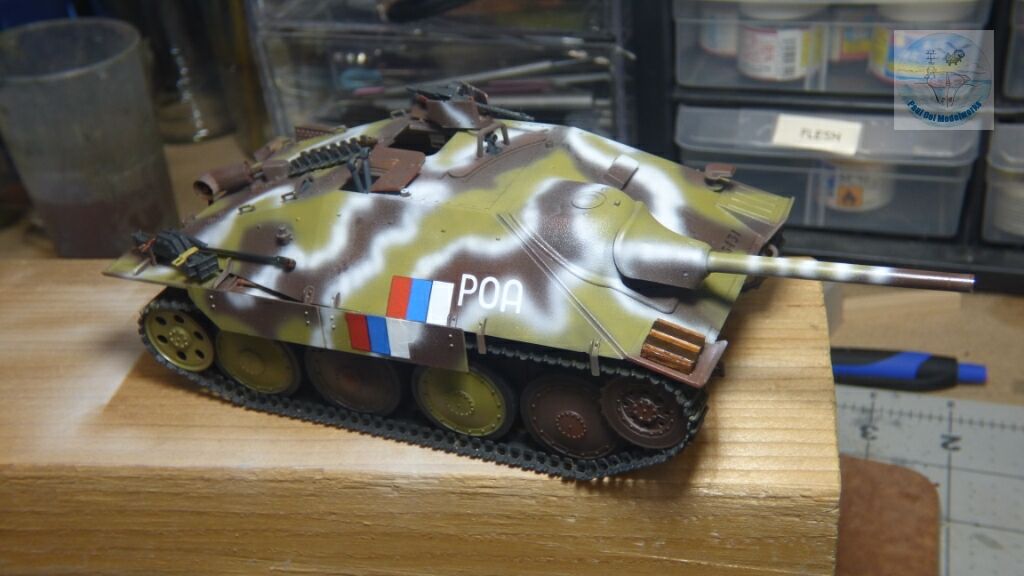
Next, I applied a free-and wavy camouflage pattern of Panzer Dunkelgelb using the last of my previous Model Master enamel paint. For those using Tamiya, that would be XF-60 Dark Yellow.
Next, the flat white wavy pattern is applied over the red oxide and Dunkelgelb patterns. Here I used XF-2 Tamiya Flat White, but any flat white would do. Both free-hand airbrush patterns use a pressure setting between 15 to 18 psi and diluted 3:1 paint held at about 1/2-3/4″ inch distance (15-20mm).
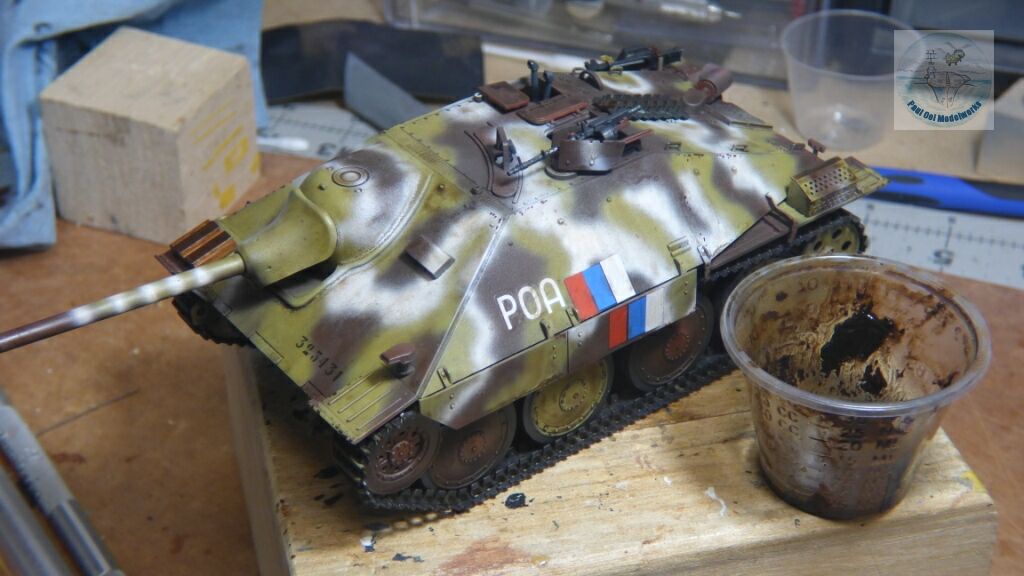
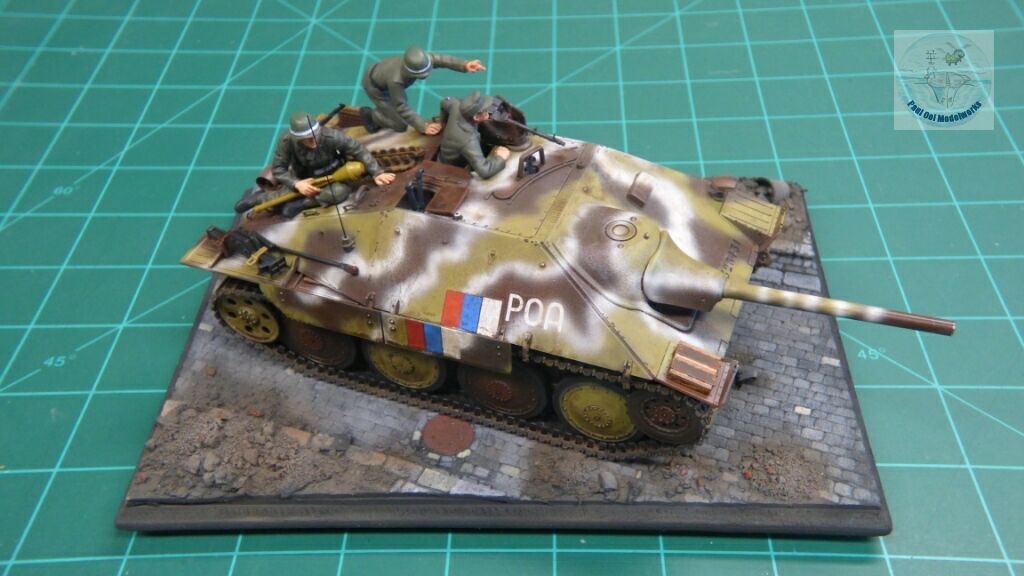
The ROA markings are applied once the satin varnish has dried. POA is Cyrillic for ROA as in Russkaya Ozhvoboshditelnaya Armiya. The Russian tricolor made a striking addition to the color scheme.


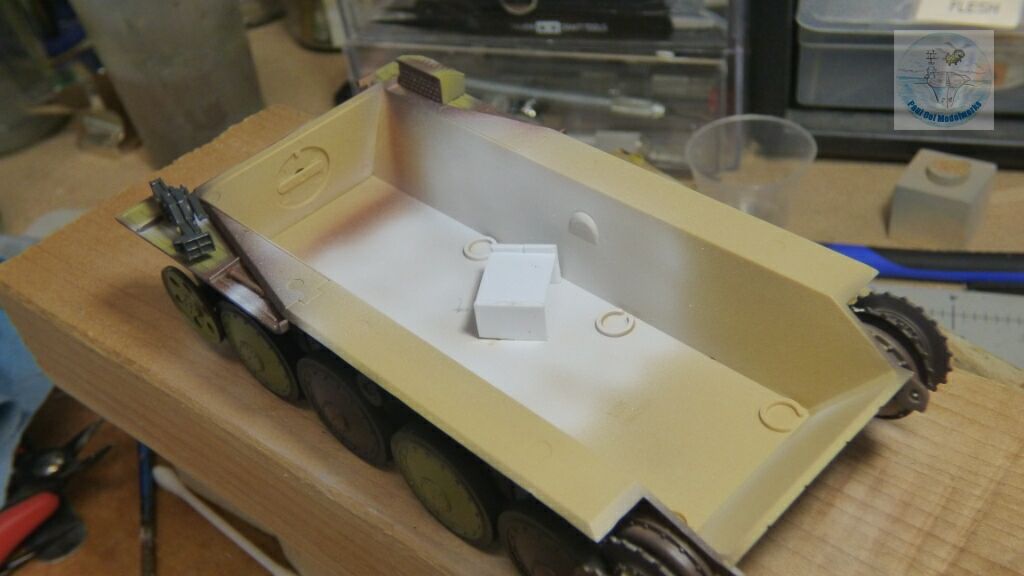
Before closing the hull halves, I sprayed the visible interior area Tamiya XF-2 Flat White.


Periscopes and the exhaust muffler are added to the top hull.
Side skirts are also added to both side at this time. I have purposely cut out the rear plate, as it was typical to lose the skirts in action.
The platform for the commander to stand on is scratch-built using polystyrene sheets to raise the figure by 10mm.
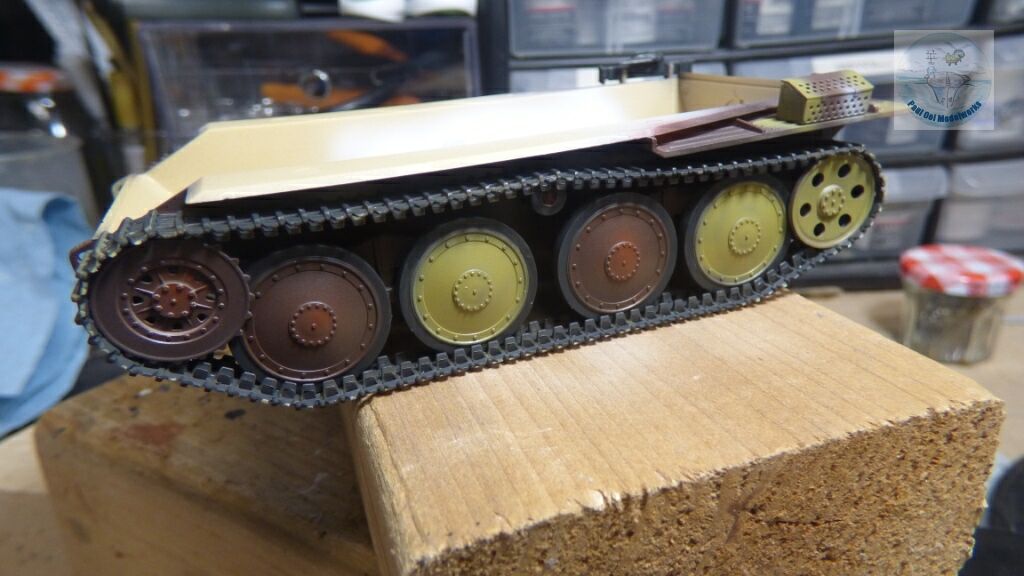
The fun part of attaching the multi-piece tracks. Please refer to my tutorial #10 on that subject if you need help in this area.
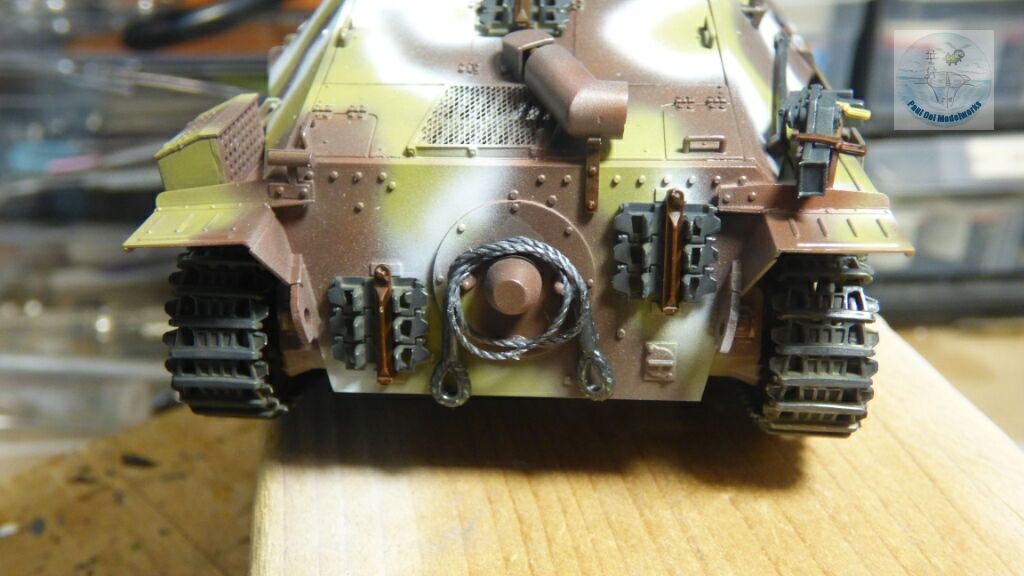
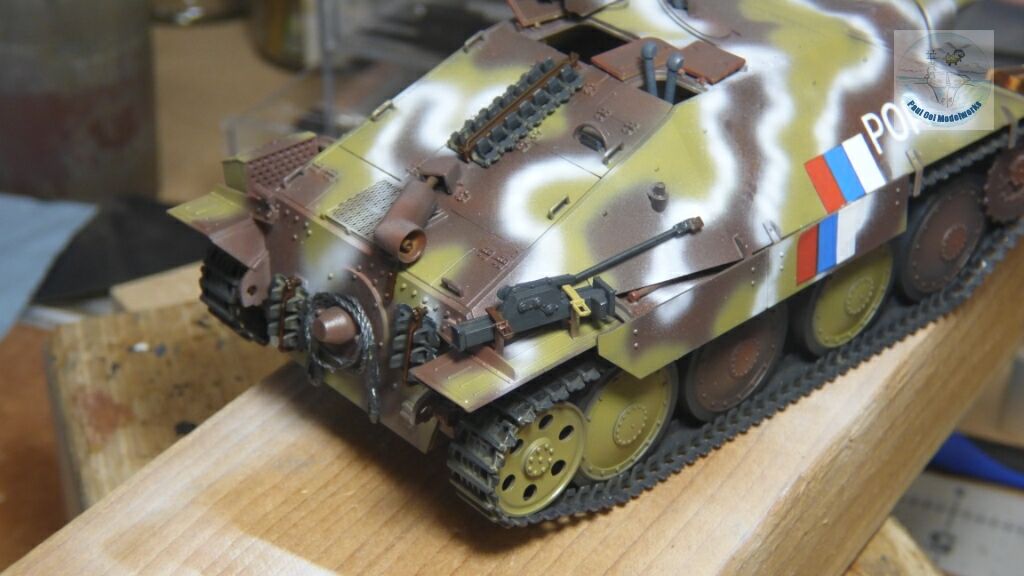
Final details for the rear hull bulkhead by adding the spare tracks and the tow cables.
Stowage tools and more spare tracks added on the dorsal of the top hull
Another view of the stowed tools, showing the heavy jack and pry bar.
A heavy oil wash of Burnt Umber + Lamp Black tones down the white and dark yellow patterns and blends everything together.
A closer view of the filtering effect of the oil wash on the colors and also the weathering of the details.
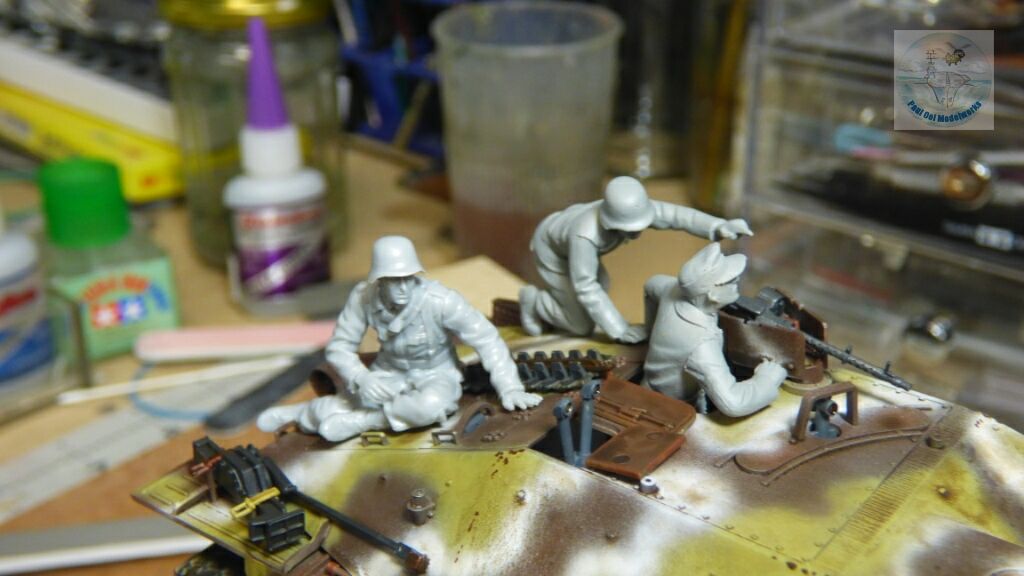
The three figures, 2 crew members and a tank rider are test-positioned for reference.
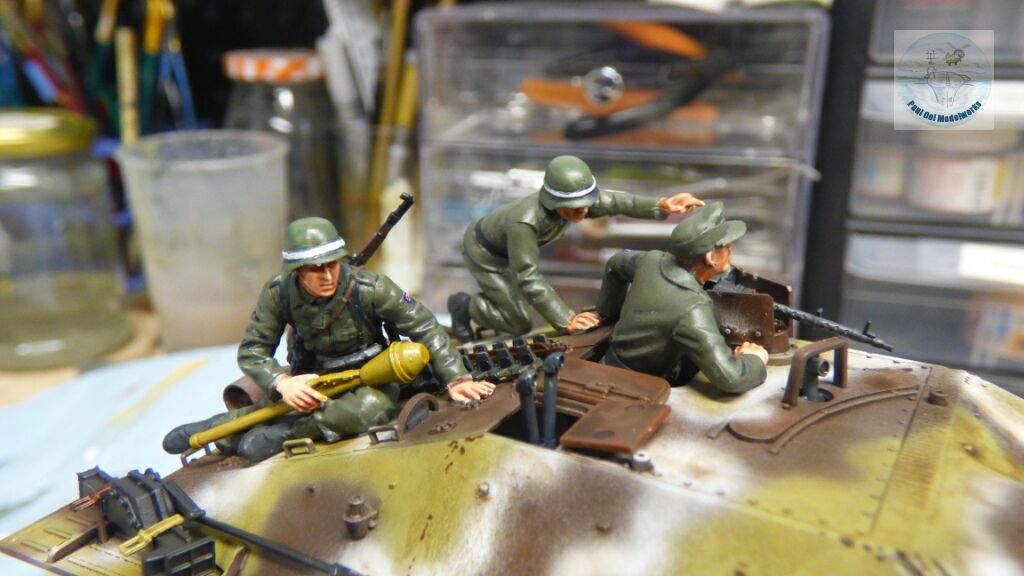
The figures are painted using figure-painting techniques in Tutorial #6. The ROA troops tied while identification headbands to differentiate from the SS troops during the battle around Prague. The uniforms are painted in Vallejo Field Grey 70.830. Similar field grey colors are available with Tamiya and other brands too.
A suitable cobblestone street scenery base was built from scratch. See how this is done in Tutorial #16.
The tank destroyer is finally mounted onto the base.

January 31, 2026 · Leave a Comment

Previous Post: « Israeli Mirage IIICJ – Defender of the Galilee 1981
Next Post: Savoia-Marchetti SM.79 III from Italeri – Anzio Beachhead Attacker »

Reader Interactions

Leave a Reply Cancel reply

Your email address will not be published. Required fields are marked *

Primary Sidebar

Hey! It is nice to meet you!

Paul Ooi Modelworks welcomes casual visitors browsing, and enjoying the pictures as well as more serious fellow modelers looking for tips and references on the art of making miniatures and relishing in the challenge. I will be more than happy to answer any questions you may have about the models.

Please feel free to leave a comment or a question.

  • Email
  • Instagram

NEVER MISS A POST

Member of International List of Scale Model Related Web Sites

International List of Scale Model Related Web Sites

Paul Ooi Modelworks

NEVER MISS A POST

Sign up for notification on new posts.

Footer

  • Email
  • Instagram

Categories

  • Privacy Policy
  • Disclaimer
  • Copyright

© 2011–2026 · Paul Ooi Modelworks · All Rights Reserved