• Skip to primary navigation
  • Skip to main content
  • Skip to primary sidebar
  • Skip to footer
  • Home
  • Blog
  • About
  • The Fine Print
    • Disclaimer
    • Copyright
  • Privacy Policy
  • Contact
  • Paul Ooi Modelworks
  • Nav Social Menu

    • Email
    • Instagram
Paul Ooi Modelworks

Paul Ooi Modelworks

Building a better world, one scale model at a time

  • Index
    • Aircraft
      • WW1 Aircraft
      • Inter-War Aircraft
      • WW2 Allied Aircraft
      • WW2 Axis Aircraft
      • Modern Aircraft
    • Armored Fighting Vehicles
      • Artillery
      • WW1 AFVs
      • WW2 AFVs
      • Tractors and Buldozers
      • Cold War AFVs
    • Ships
      • WW1 Ships
      • Inter-War Ships
      • WW2 Allied Ships
      • WW2 Axis Ships
      • Modern Ships
    • NordicCon Show
    • Figures
    • Buildings
    • Sci-Fi
    • Miscellaneous
  • Tutorials
    • Tutorial 1: Making a Wooden Platform Helipad
    • Tutorial 2: Wooden Hard Stand for Aircraft
    • Tutorial 3: Filling Large Plastic Seams
    • Tutorial 4: Diorama, Sicily 1943
    • Tutorial 5: Making a Gun Emplacement with Earthworks
    • Tutorial 6: Basic figure painting (1/35 scale or 54mm)
    • Tutorial 7: Filling Large Mouse Bite Gouges
    • Tutorial 8: Frames for Vacuum Formed Clear Canopies
    • Tutorial 9: Prepared Tank Position Diorama
    • Tutorial 10: Installing Multi-Piece Track System
    • Tutorial 11: Masking and Painting “Bird-Cage” Clear Canopies
    • Tutorial 12 – Aircraft Wing Tip Navigation Lights with Colored Bulbs
    • Tutorial 13 – Installing Wood Laminate Deck for Model Warships
    • Tutorial 14 – Painting a Rusted Muffler and Exhaust Pipe System
    • Tutorial 15 – Painting German Red Oxide Finish for WW2 Tanks
    • Tutorial 16 – Creating a European cobblestone street base
    • Tutorial 17 – Constructing tracks using single track link system
    • Tutorial 18 – Building a small wooden bridge
Home / Aircraft / Inter-War Aircraft / Savoia-Marchetti SM.79 III from Italeri – Anzio Beachhead Attacker

Savoia-Marchetti SM.79 III from Italeri – Anzio Beachhead Attacker

Inter-War Aircraft, WW2 Axis Aircraft

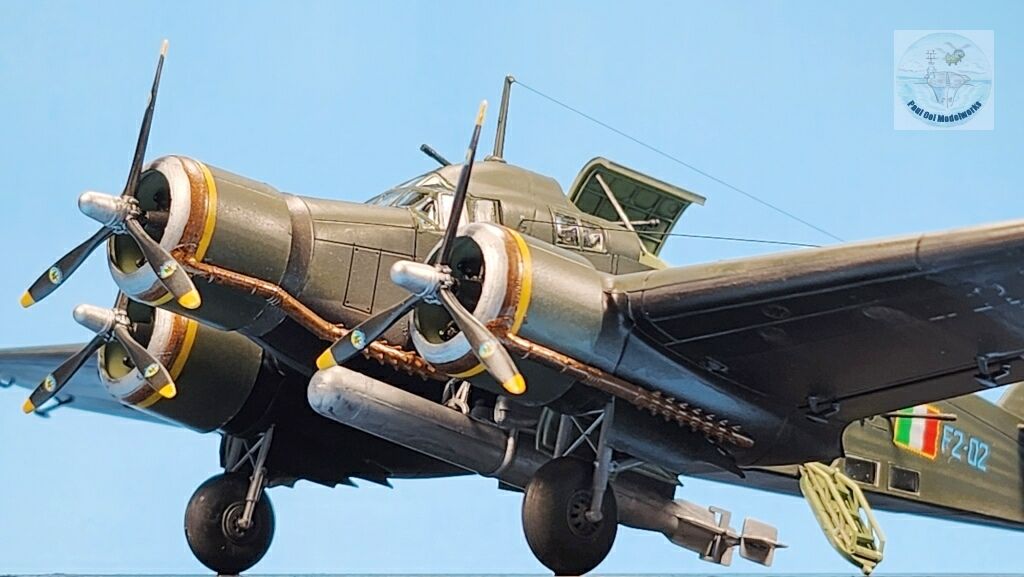
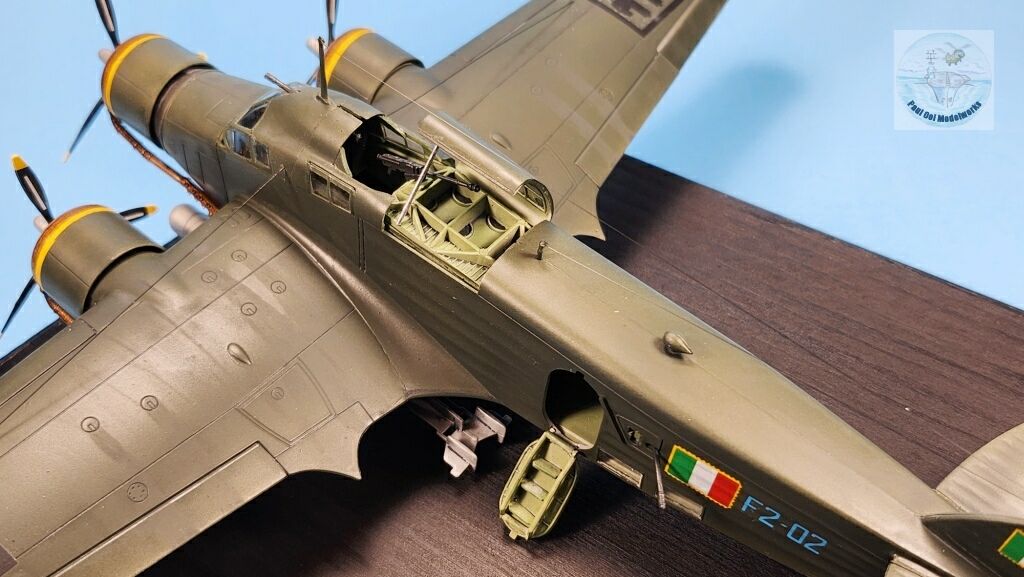
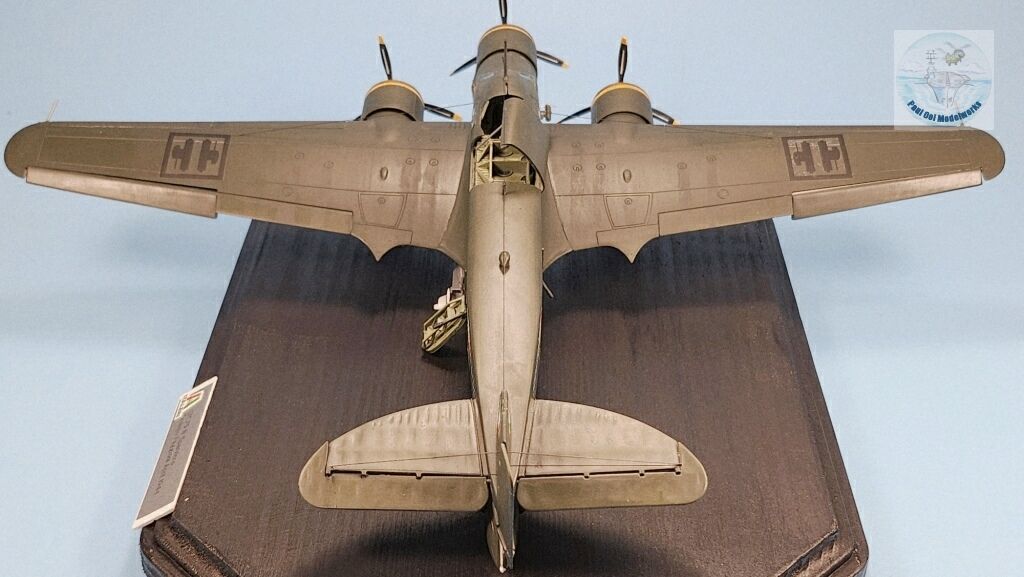
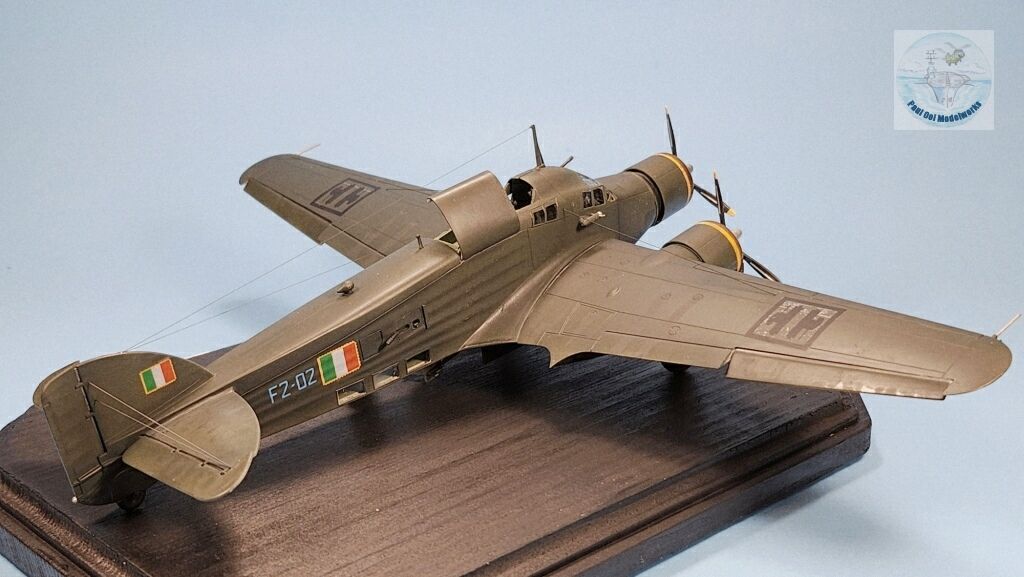
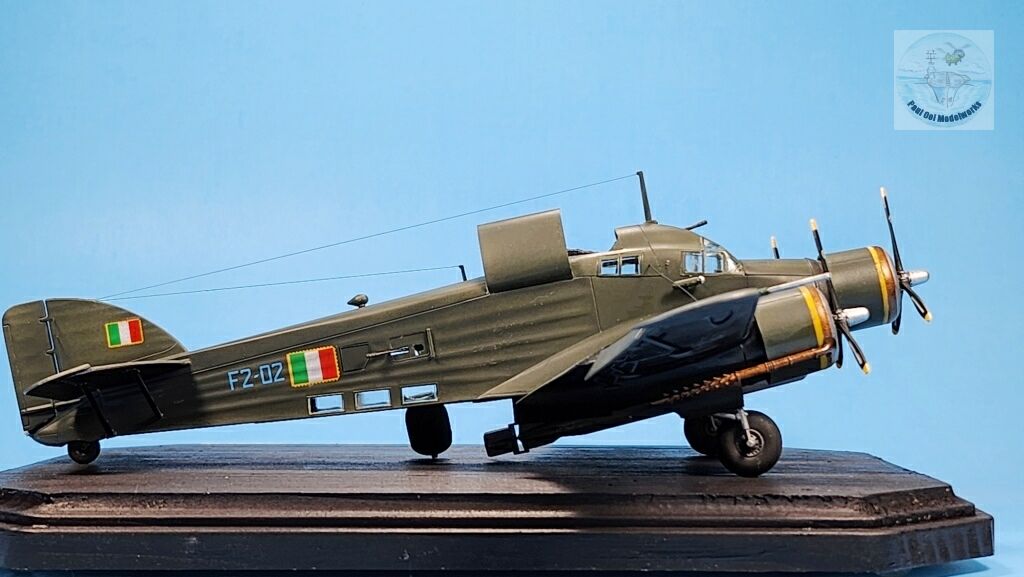
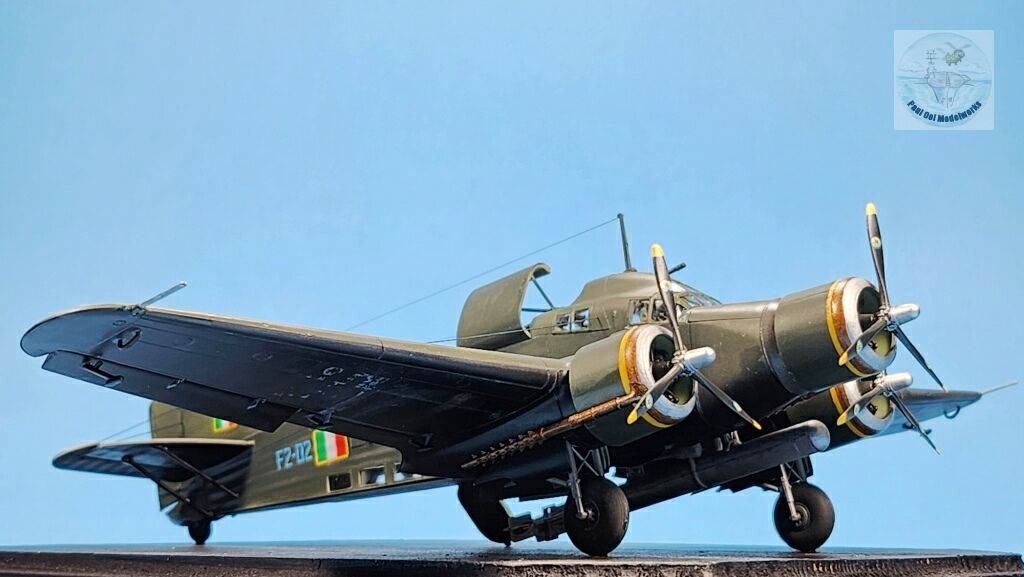
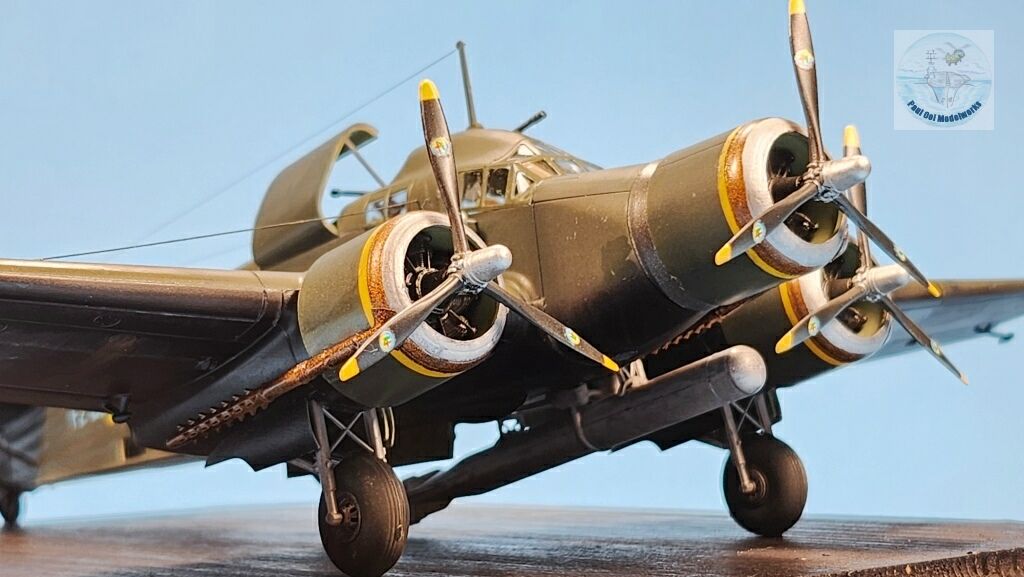
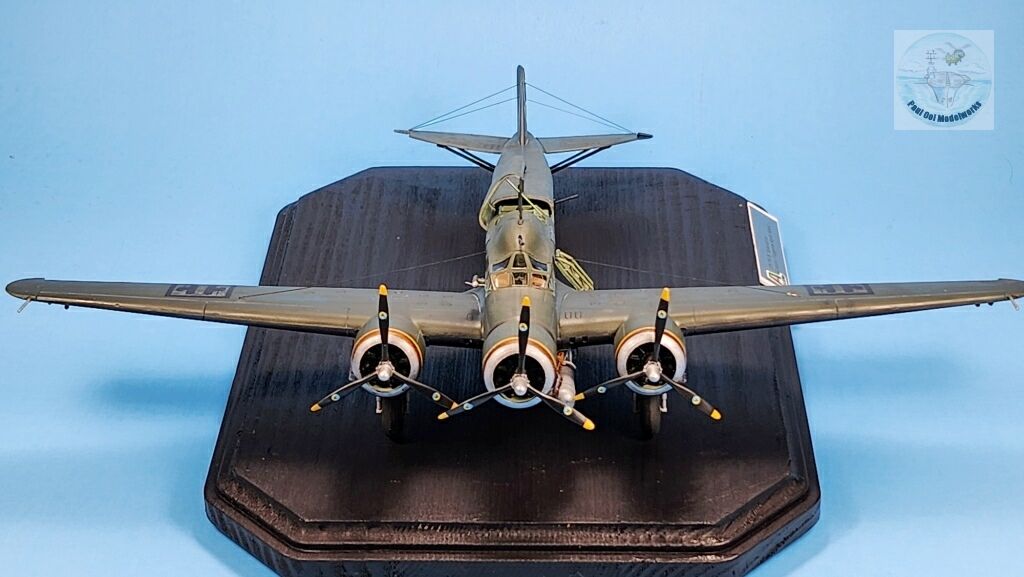
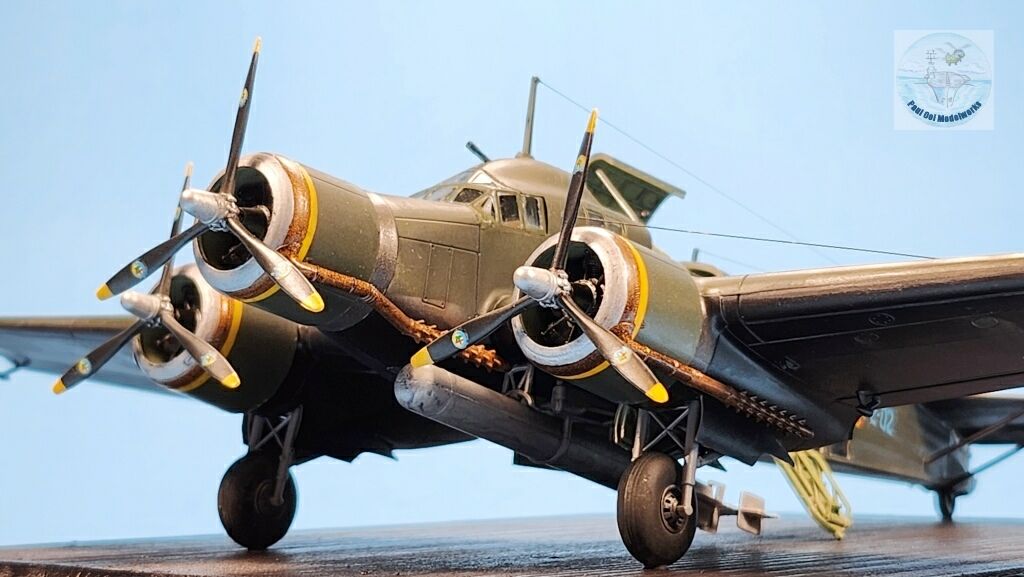
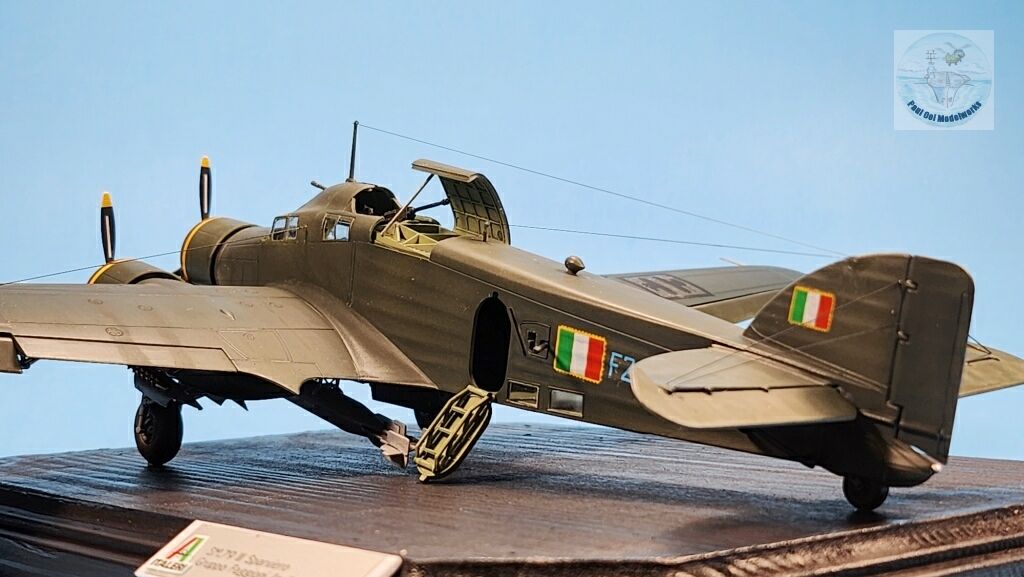
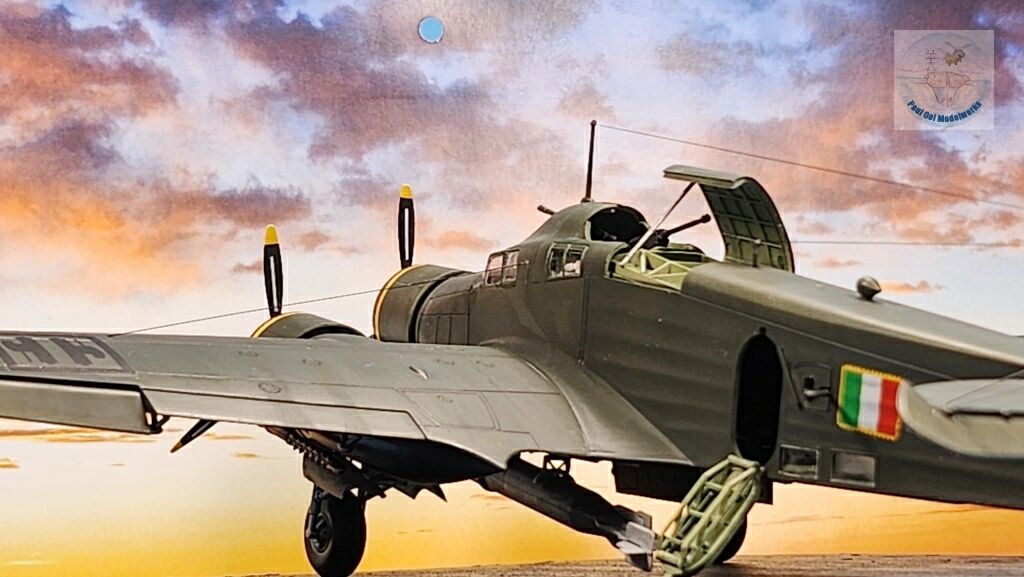
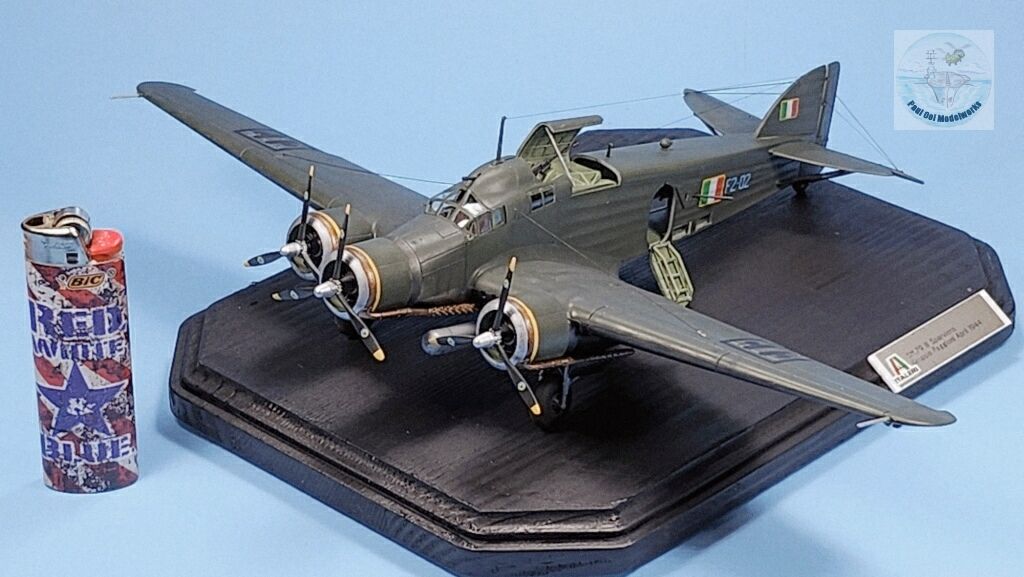
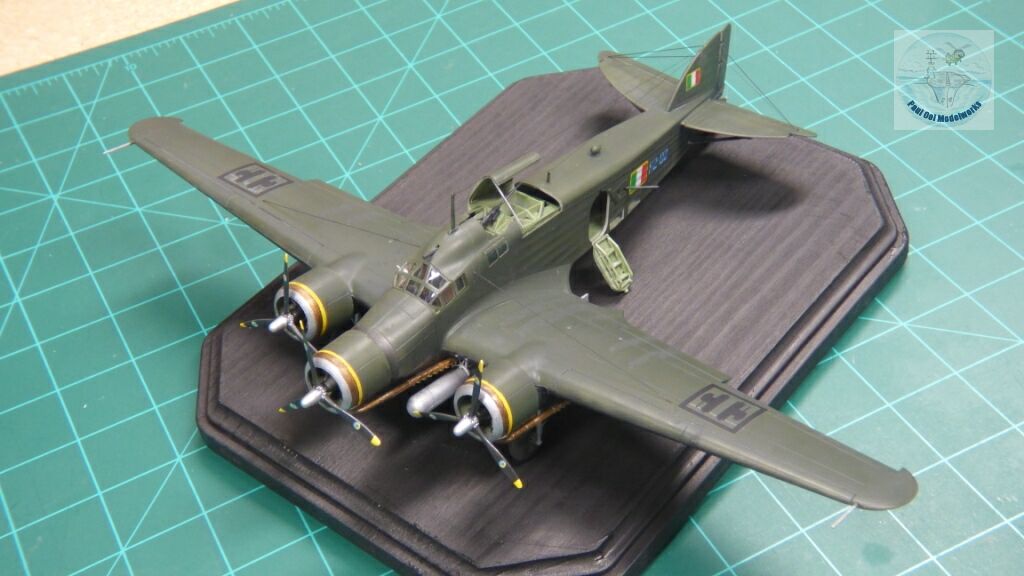
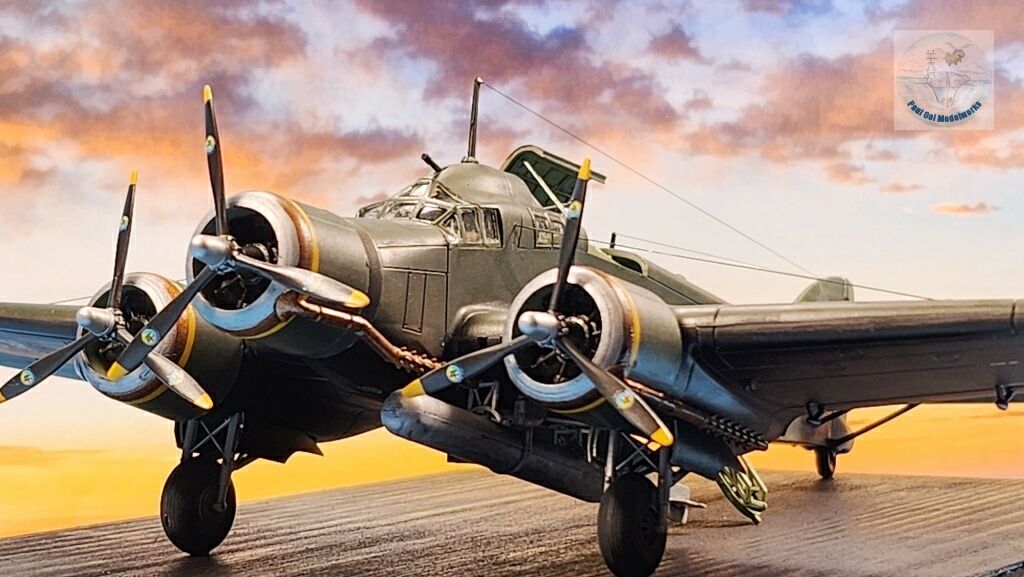
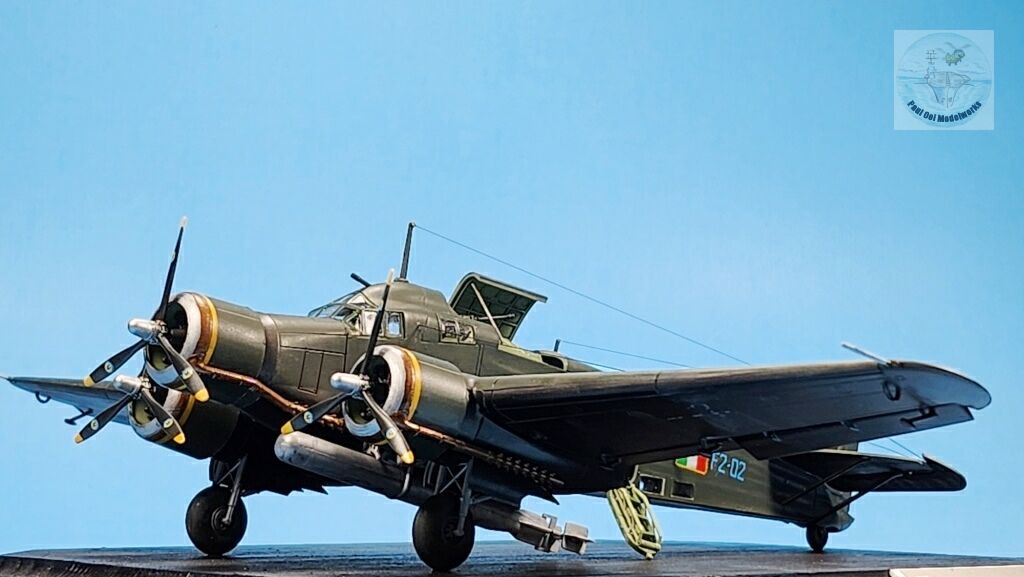
The Savoia-Marchetti SM.79 was a mono-plane design from the early 1930s and in its heyday, broke many speed records. One might not be able to guess this by the ungainly look of the trimotor aircraft, especially the later versions used by the Royal Italian Airforce equipped with the top gunner’s hump. The SM.79 was deployed in the Spanish Civil War and the early Italian campaigns in Greece and North Africa as a bomber. The Italians also used the SM.79 to great effect in the Mediterranean theater as a long range ant-shipping platform. The powerful engines were able to carry huge torpedoes under the aircraft’s belly and was the scourge to Allied supply ships. As the war crept closer to the Italian homeland, the need to survive Allied fighter attacks saw the development of the SM.79 III with larger fuel capacity, increased armor and the addition of waist-gunner positions. This version was the last produced for the Italian war effort, although surviving specimens continued to serve the Italian armed forces until the 1950s.

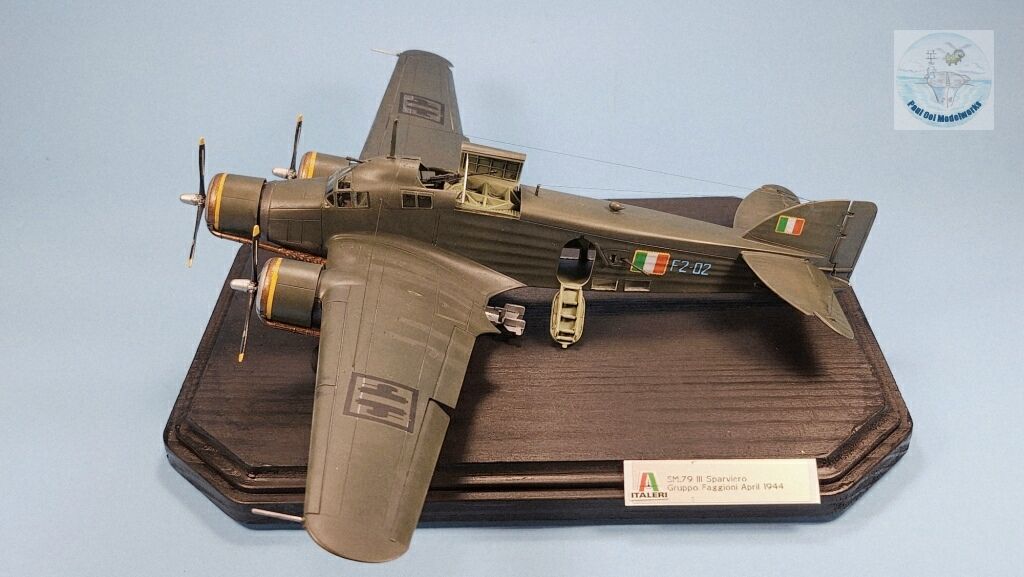
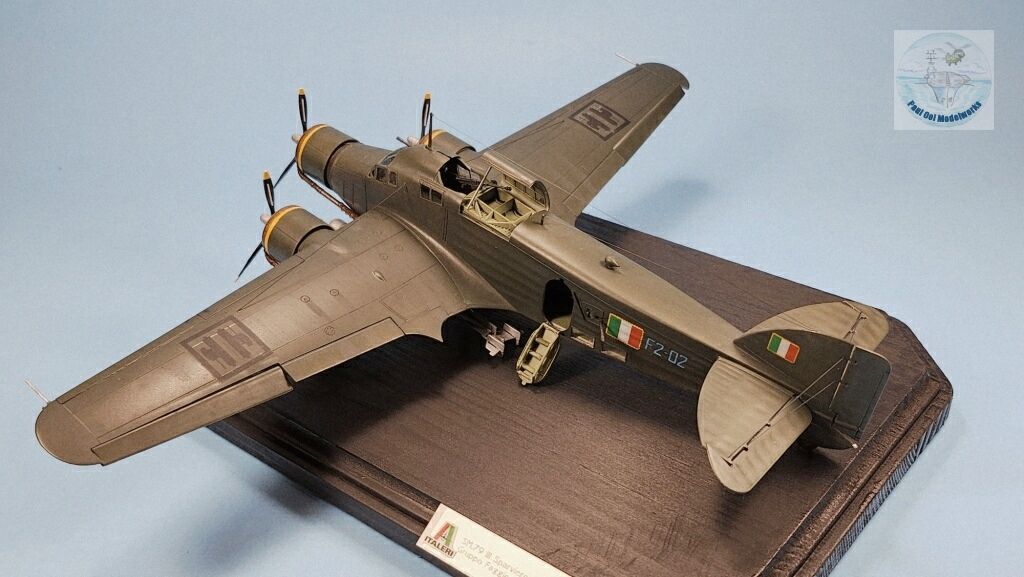
This aircraft that I modelled belonged to the 2nd Squadron of Gruppo Faggioni in the first half of 1944 based out of Lonate Pozzolo. By this time, the aircraft was painted overall Olive Green and the undersides were painted black for night missions against Allied shipping. Despite having to fly by night, the SM.79 did not have radar equipment or any other form of early radio equipment to navigate in the dark. However, the Italian flyers were still able to score hits with their torpedo attacks, a testament to their grit and skill in finding and hitting the enemy. This was particularly hazardous during their campaign to attack the Anzio landings and resulting beachhead between January through April of 1944. It was during this time that this unit lost many aircraft and pilots, including their commander, Captain Faggioni.


Gallery
https://www.paulooimodelworks.com/wp-content/uploads/2026/02/1000017978.mp4

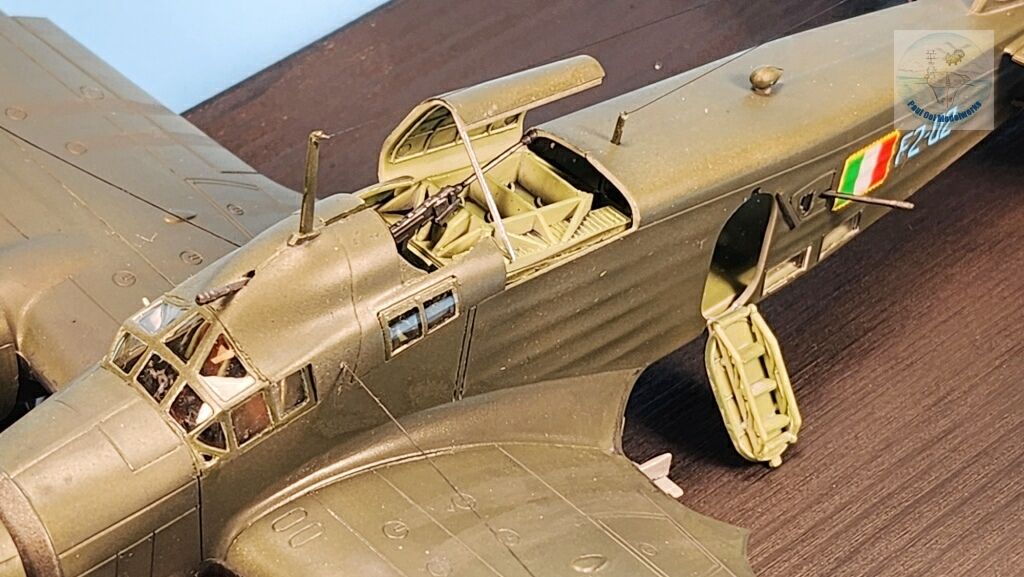
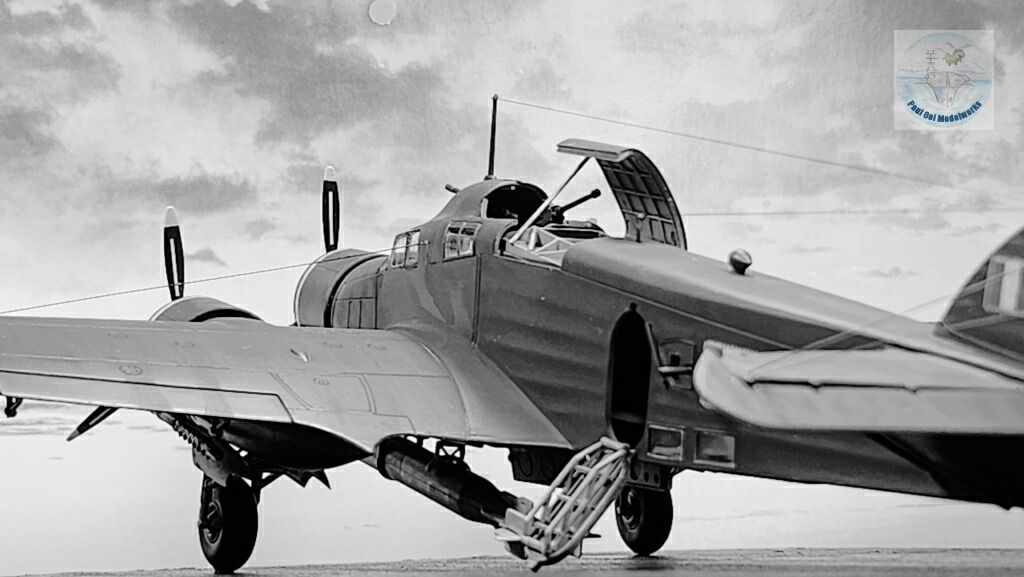
Close-up of the open bomb hatch at the top


Construction Notes

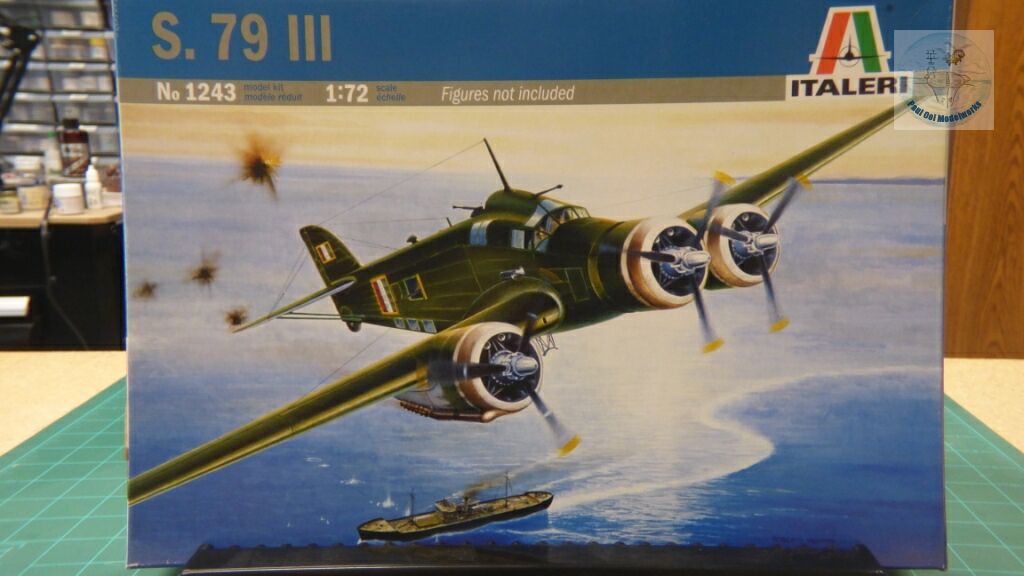
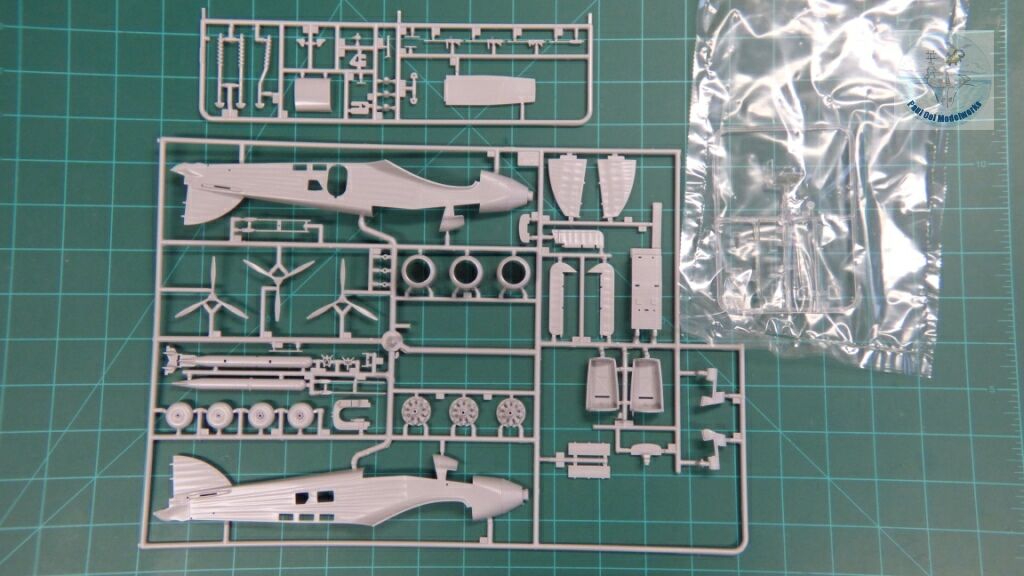
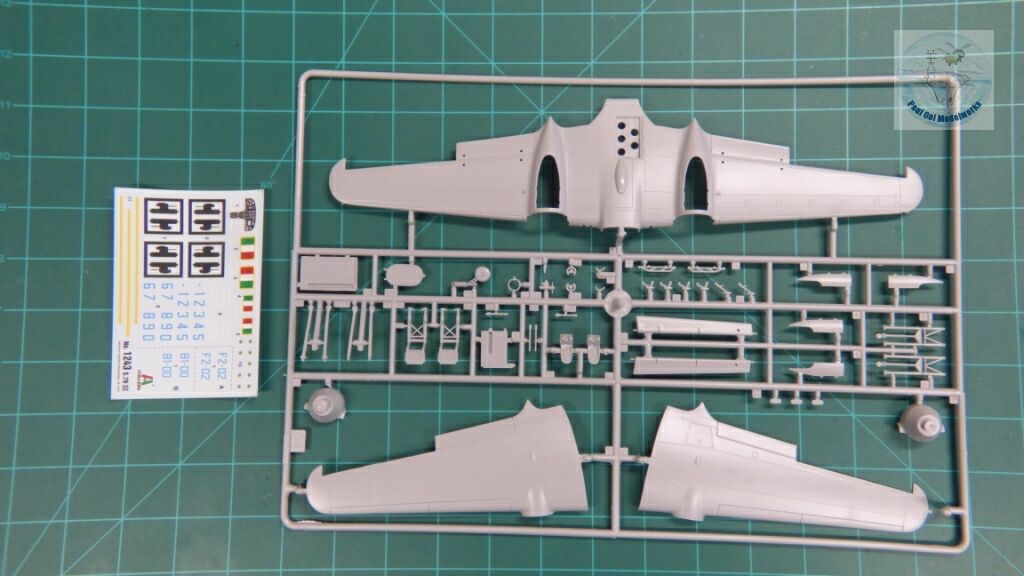
I had bought this 1/72 scale Italeri kit of the infamous il gobbo maledetto (the cursed hunchback) many years ago and it got lost in my stash of unbuilt models. Recently while I was looking for something else, I came across this kit and I decided I was going to built it at once. The SM.79, or Sparviero (Sparrowhawk) was one of the most iconic aircraft of the Regia Aeronautica in WW2. It had the strange, ungainly-looking fuselage but actually, the aircraft was very fast and powerful. The kit was well-molded with very little flash and the quality was pretty crisp. The fit was also good, with only the area around the cockpit needing some filling in of the seams. My one complaint was that the decals were too thick and tended to silver despite copious amounts of decal setting agent. I would recommend this kit for intermediate level experience because of the unusual shape of the fuselage and the many openings. However, a beginner can also do a decent job if you leave off some of the rigging details and leave all the hatches shut. I built this kit out-of-box without any after-market enhancements but it turned out very nicely.
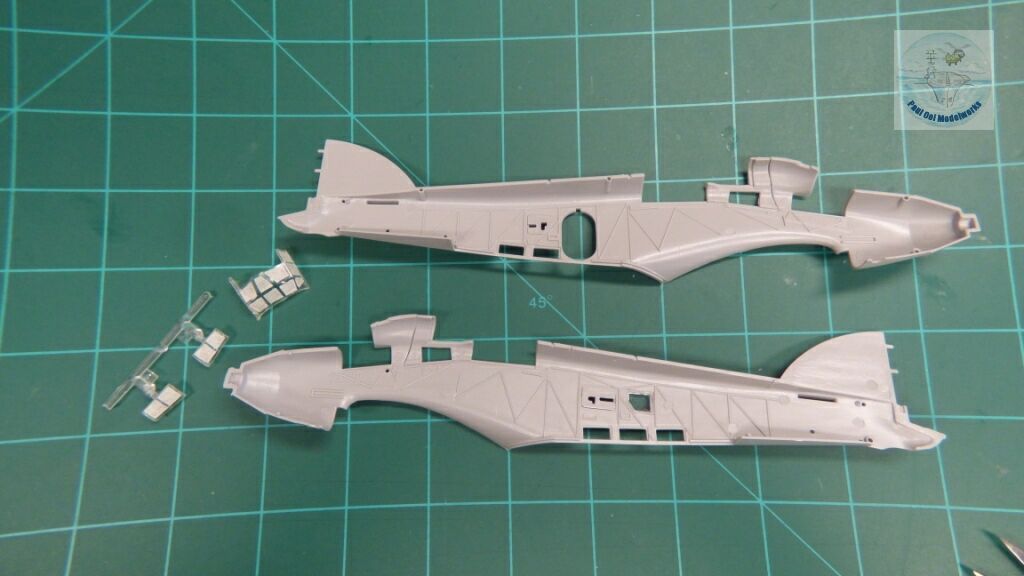
 

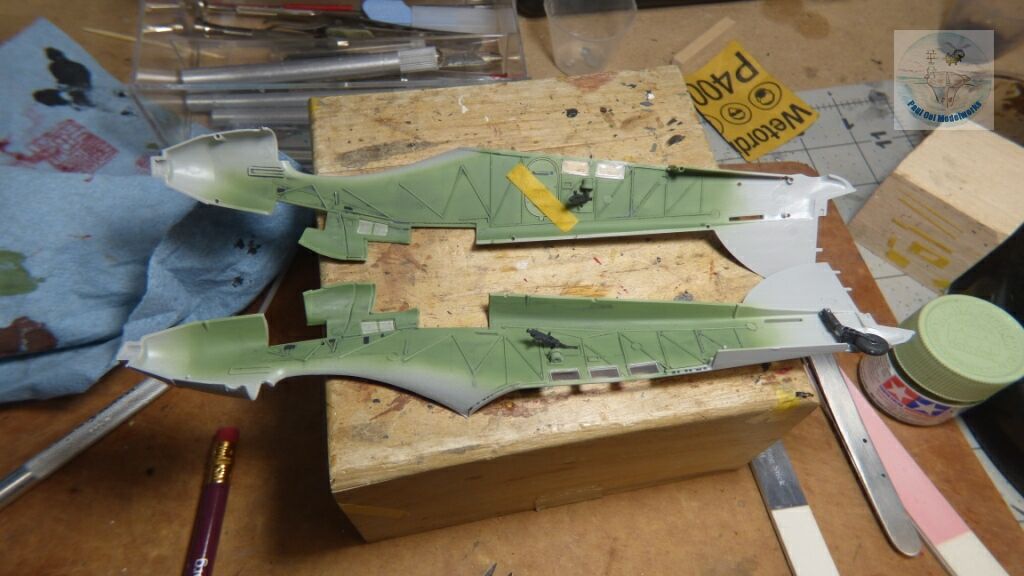
The first part of the build was to get all the wall details attached to both fuselage halves. I also masked the main cockpit canopy early as we were going to paint the interior details very early in this project.
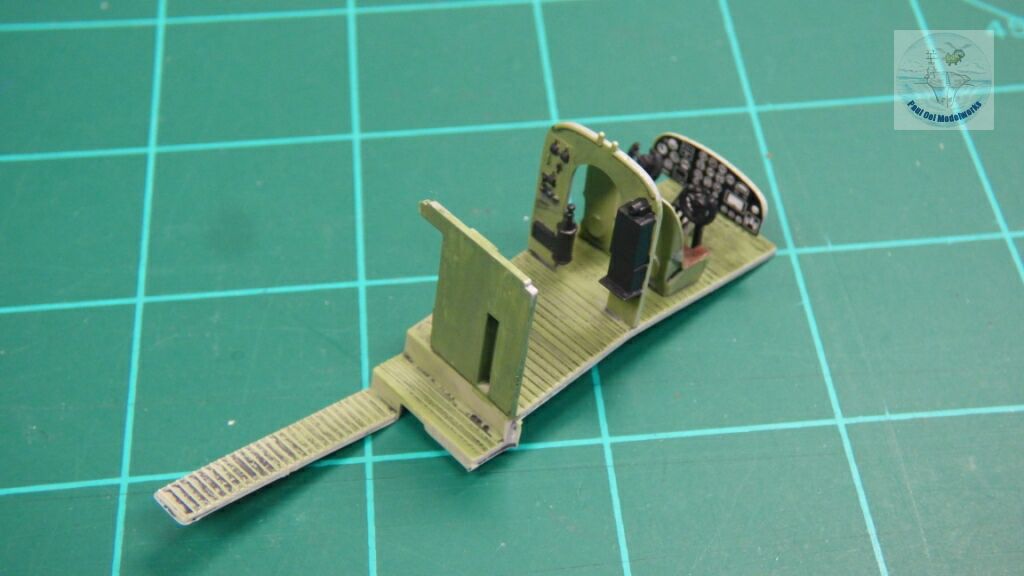
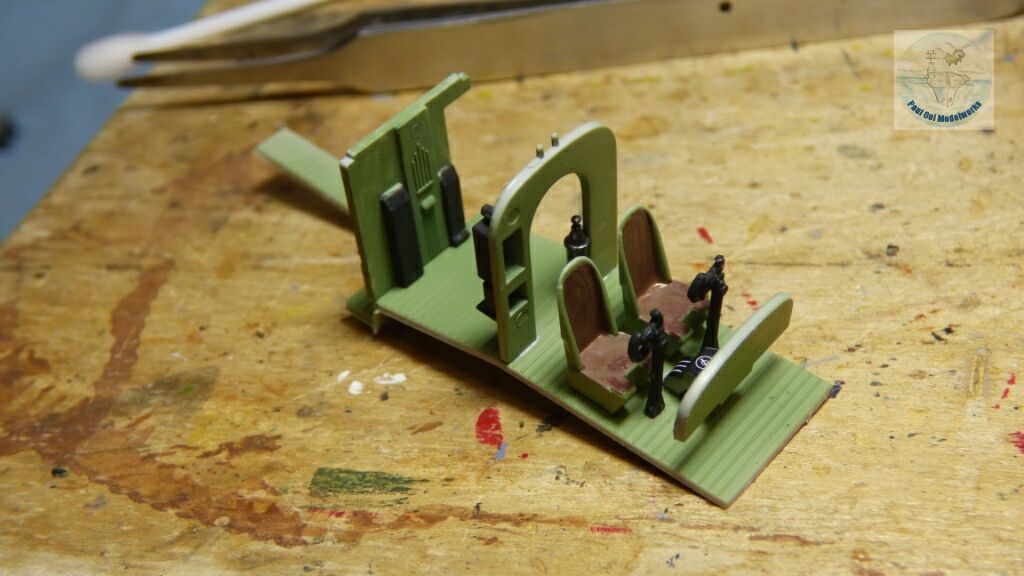
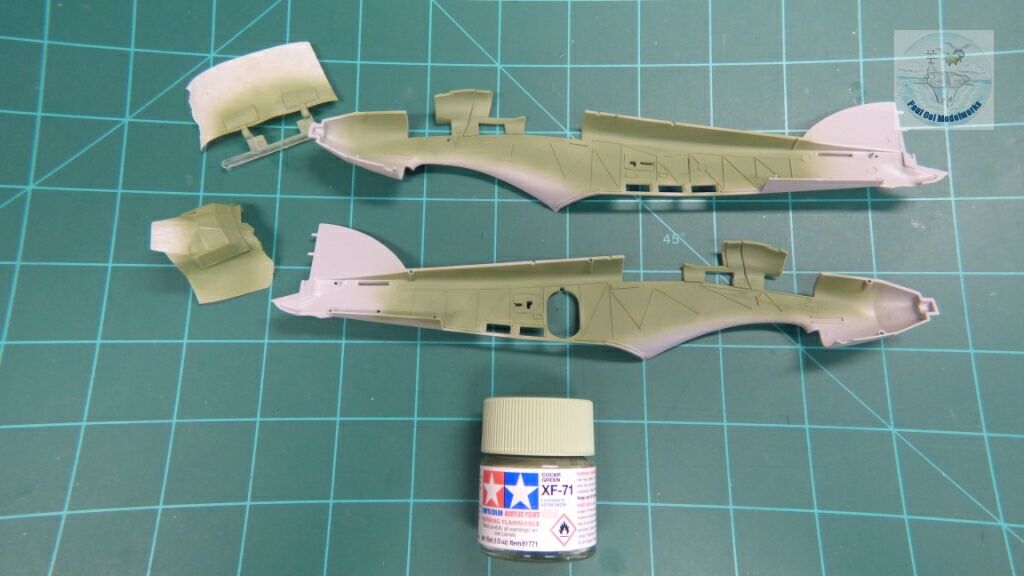
All interior portions were painted Tamiya Cockpit Green XF-71 which was closest to the Italian Pale Green. I also painted the masked main canopy and side windows at the same time.


The cockpit, radio operator and the gunner position in the hump were painted in Cockpit Green as well. I used the decal sheet for the control panel as one could see very little of it once installed inside the aircraft.

Given that there would be no access once the fuselage halves were closed, I had to insert the waist-gun positions at this time as well. All clear wall windows are also installed and masked. Note that the main side door has been taped shut from the inside.
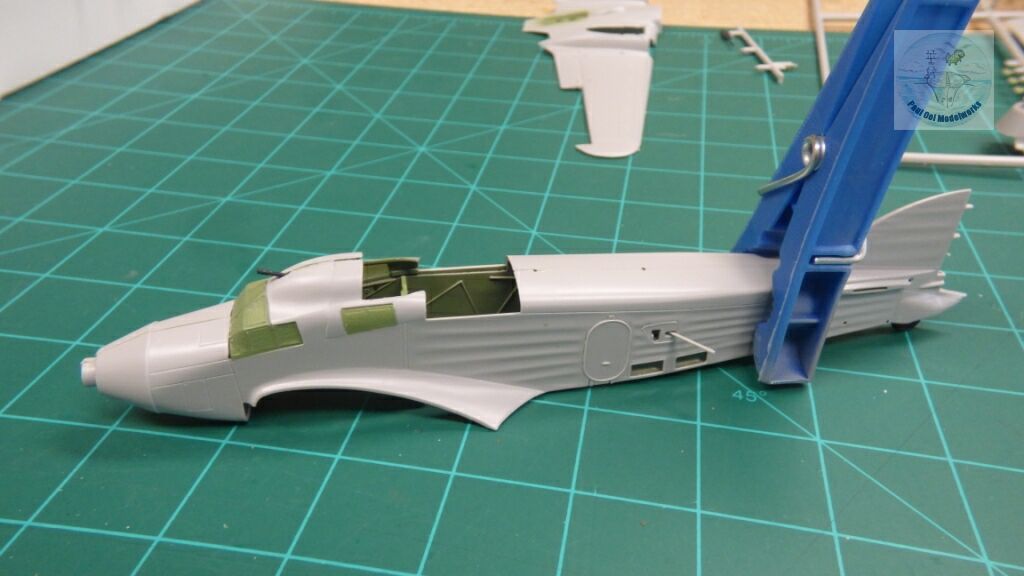
The cockpit and radio operator deck is sandwiched between the two fuselage halves, and clamped together and allowed to cure.
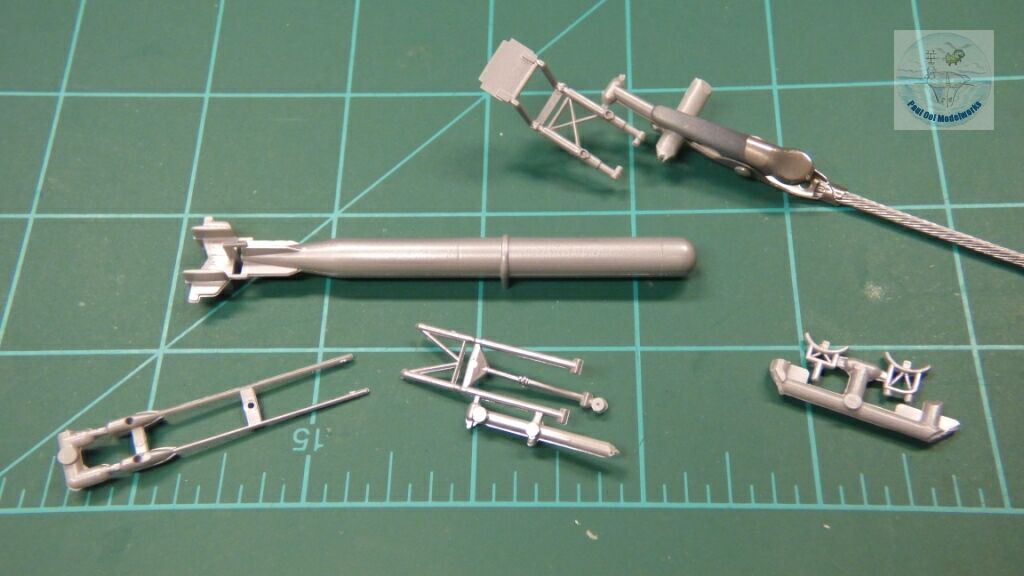
While waiting, I built the torpedo, its cradle unit and the undercarriage struts. These are painted with Testor enamel Gloss Silver Metallic.
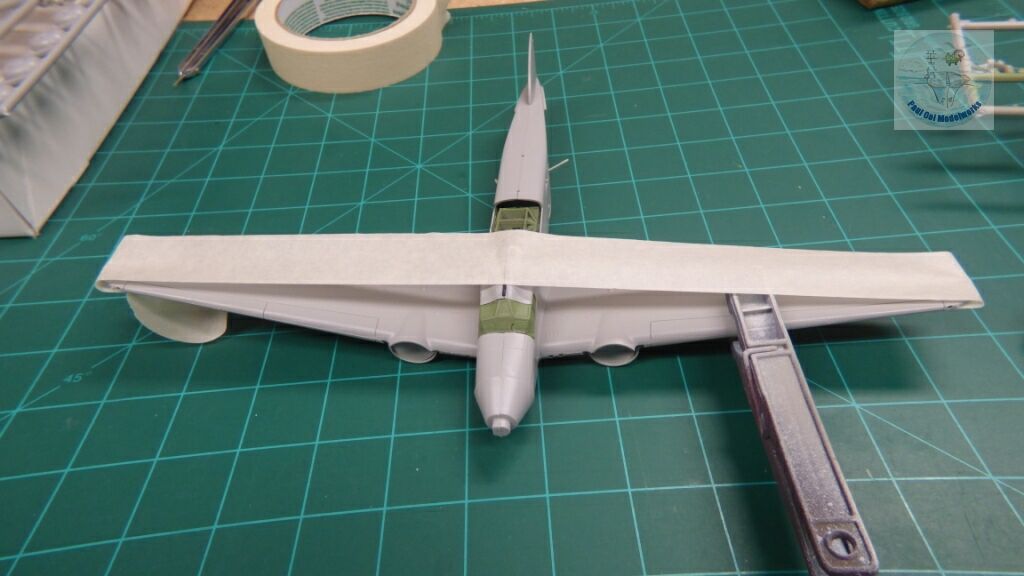
Once the fuselage has set, I attached the main underside wing section. Note the exposed bomb bay area, visible from the mid-fuselage section.
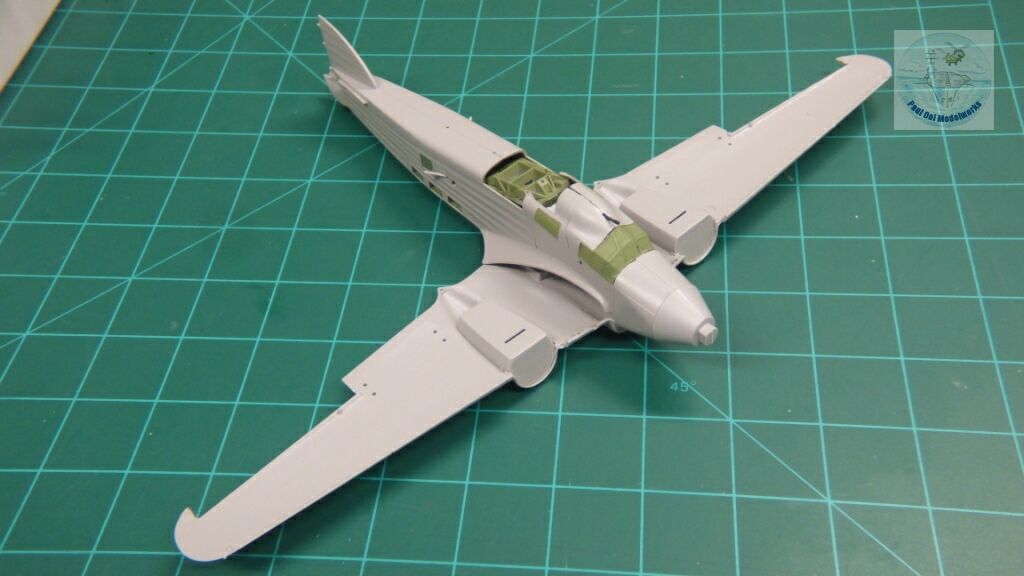
I use masking tape to force the wings to form the diahedral angle and close any gaps at the seams of the wing roots. Leave to dry overnight.
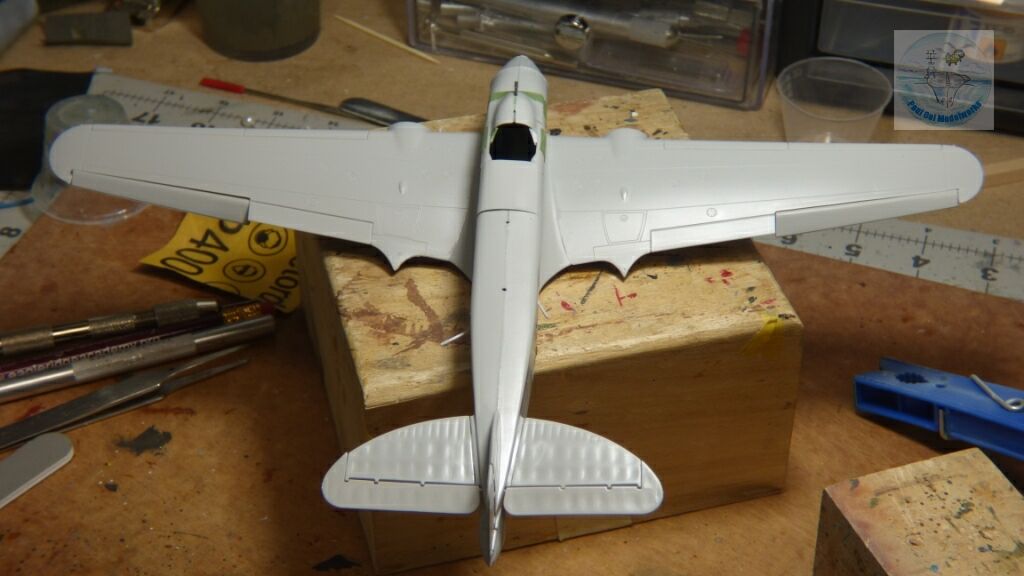
The main wing assembly and rear stabilizers installed
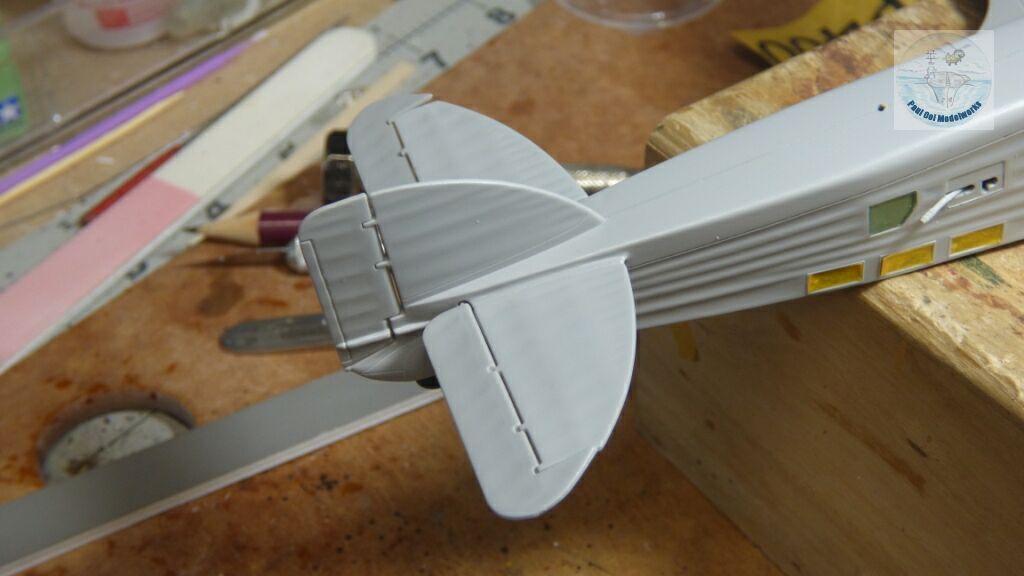
Another view of the fuselage rear, showing the tail and rudder assembly. I like the fact that the flaps and ailerons are separate pieces that can be installed with a slight realistic droop.
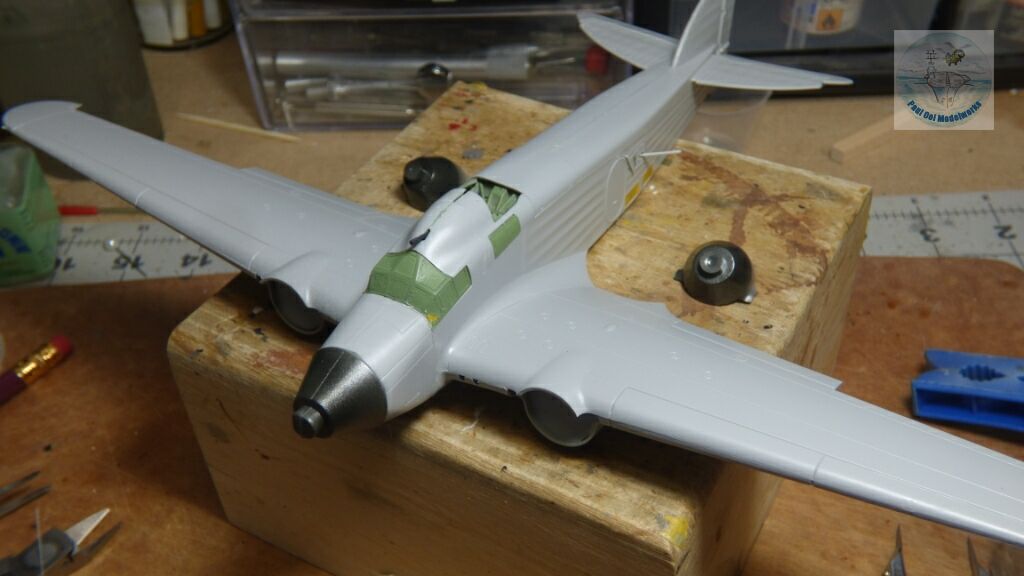
The engine housing area is spray painted with Tamiya Gun Metal X-10.
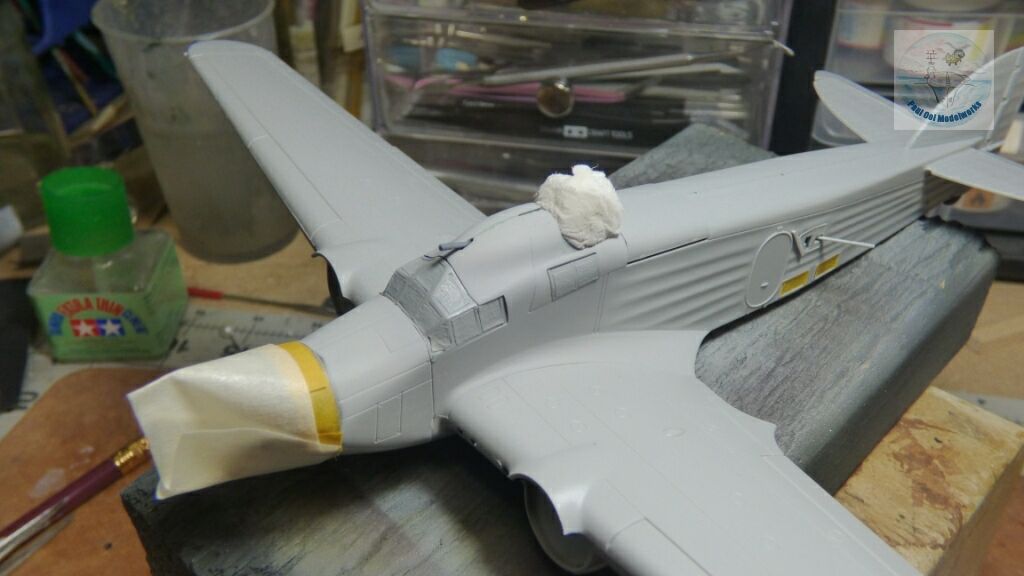
The the Gun Metal areas are masked for the main color scheme painting. Then I spray over the window areas with Tamiya Sky GreyXF-19 as primer.
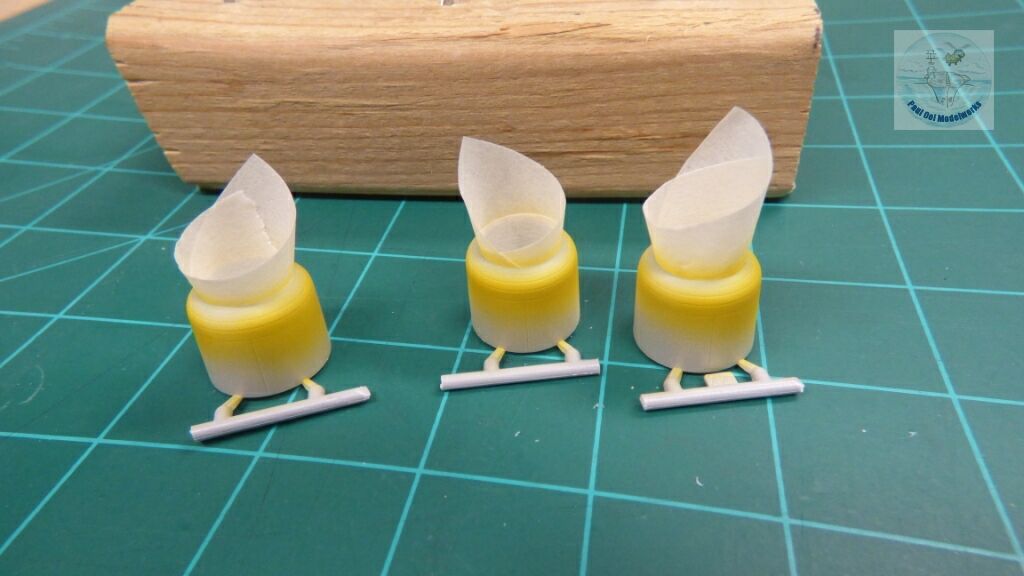
I start by painting the lightest color, in this case Insignia Yellow bands around the engine nacelle housings. I undercoat the yellow with Tamiya Flat White XF-2, then followed by Testors Insignia Yellow FS13538.
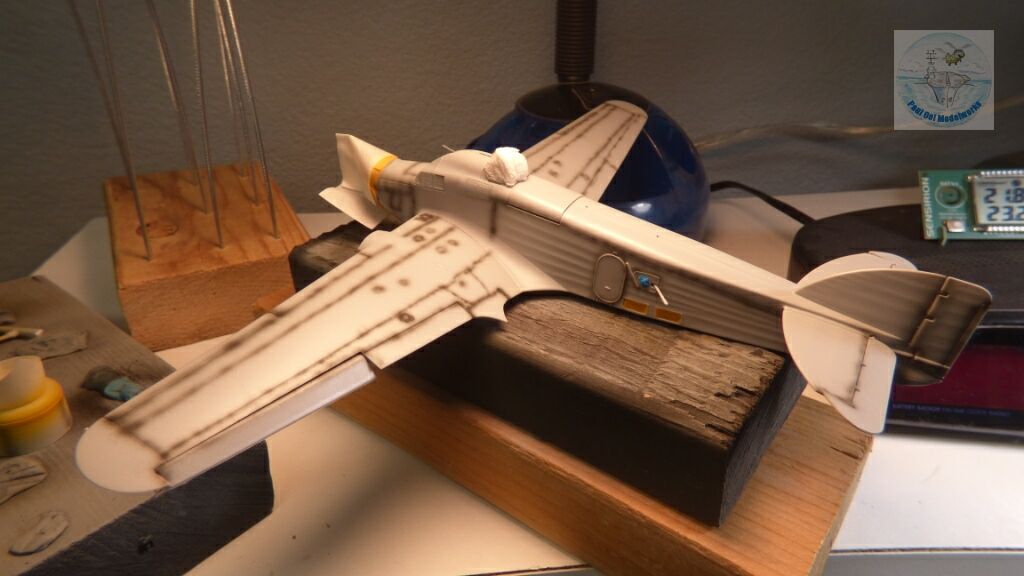
As usual, I apply the Tamiya NATO Black XF-69 undershading for the panel lines. Since the underside will be painted black, I did not undershade the underside surfaces this time.
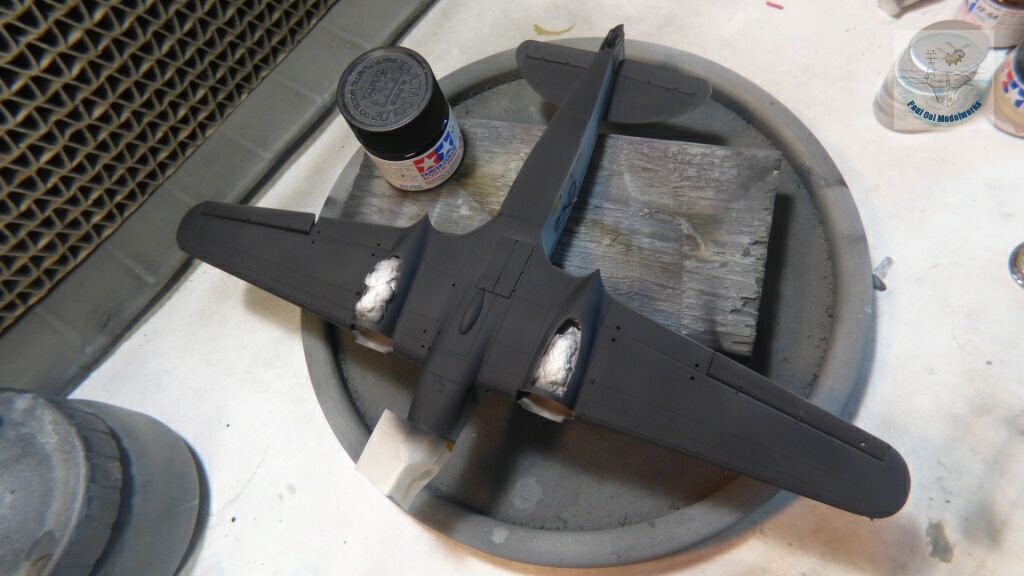
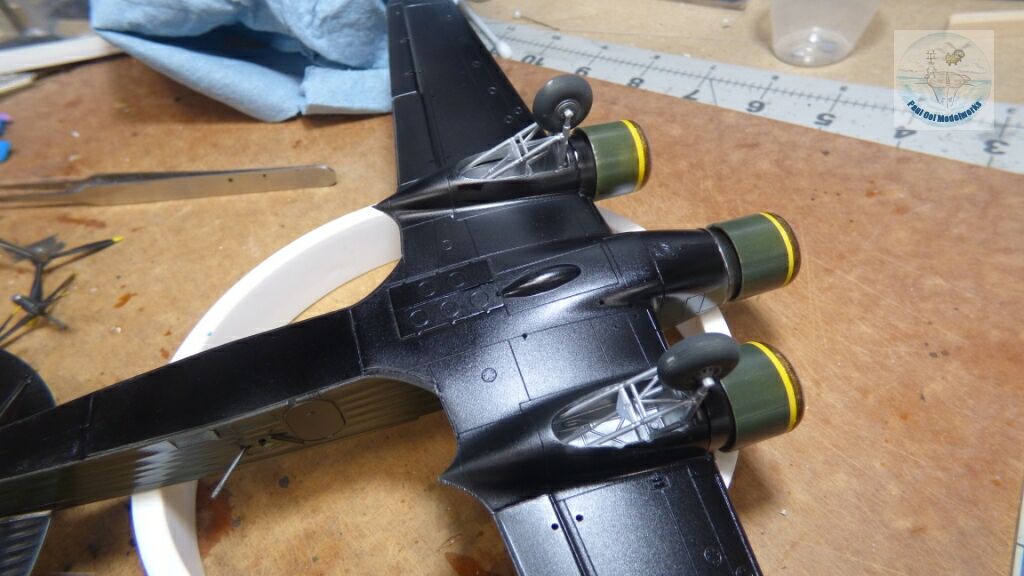
The underside of the aircraft is painted Tamiya Flat Black XF-1. Note the tissue paper inserts in the wheel wells.
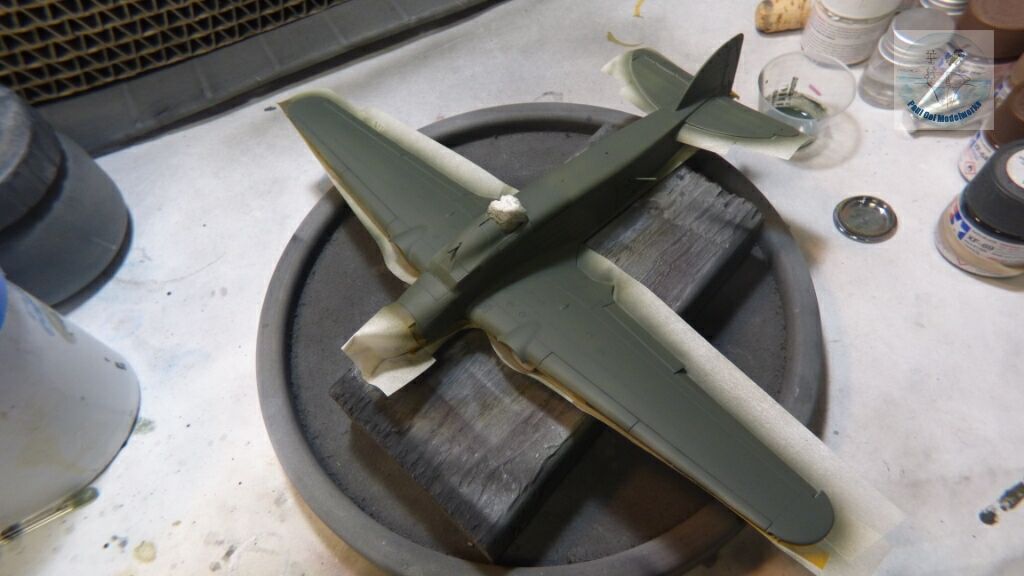
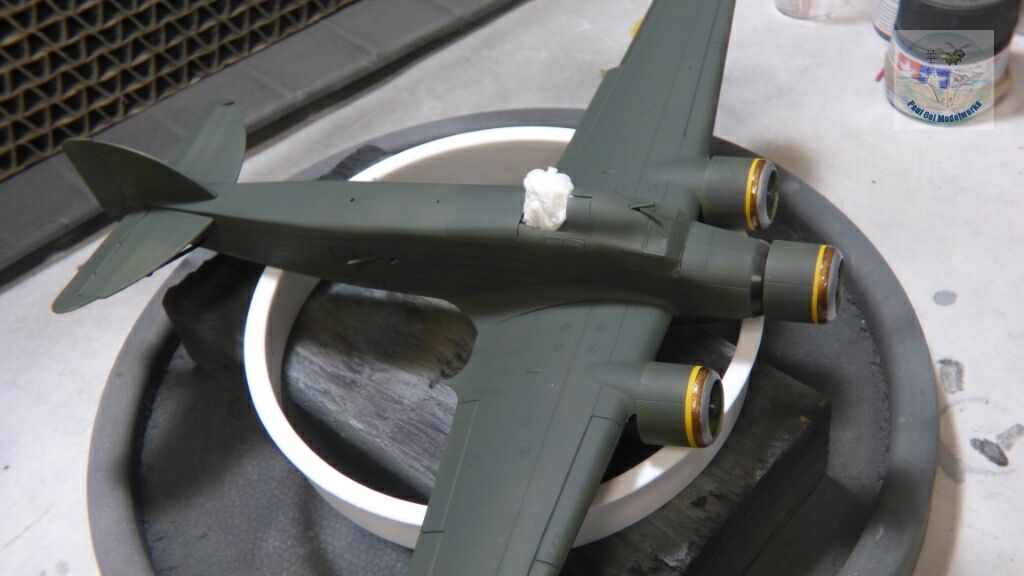
The Olive Green mix is sprayed over the top and side surfaces.
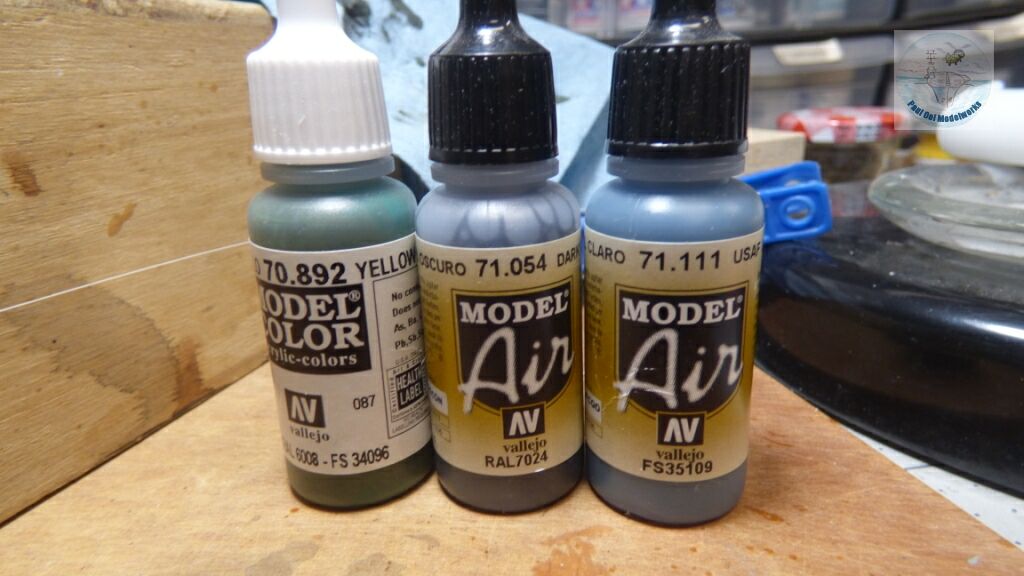
The Olive Green topside is a mixture of 70:20:10 of Vallejo Olive Green FS34096, Dark Grey RAL7024 and Blue FS35109.
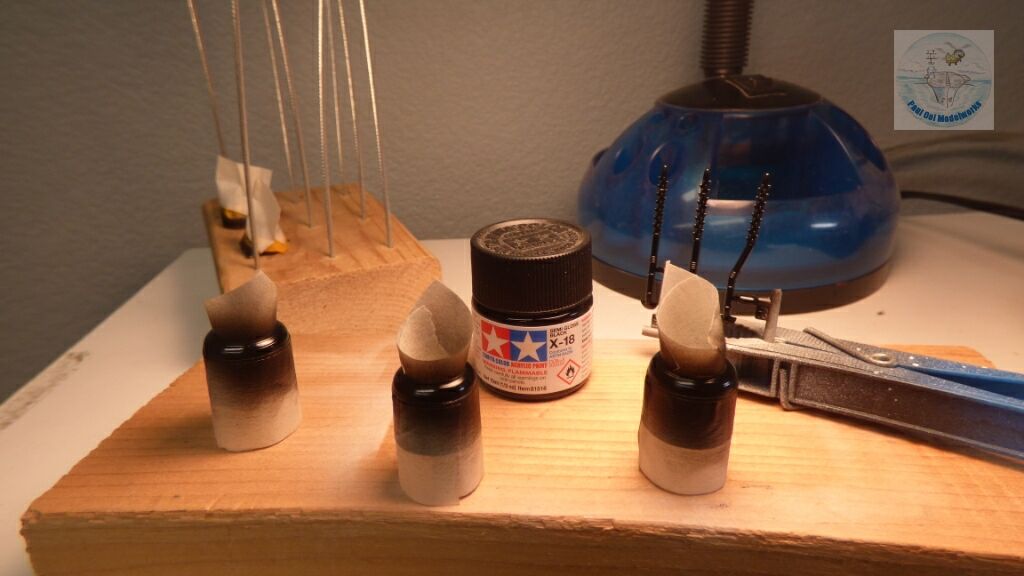
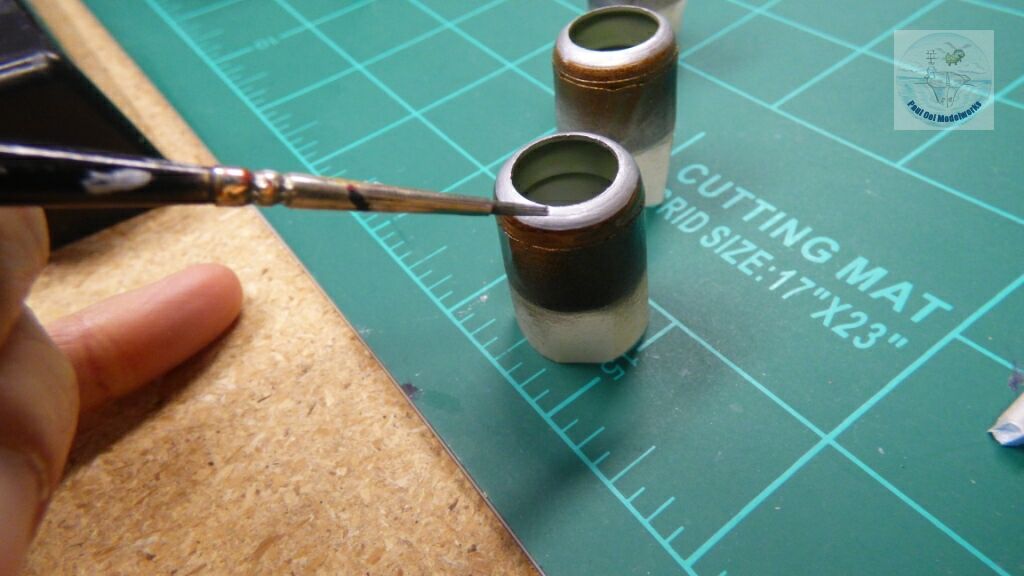
For the front of the engine cowlings and shrouded exhaust pipes, I undercoat the area with Tamiya Semi-Gloss Black X-18.
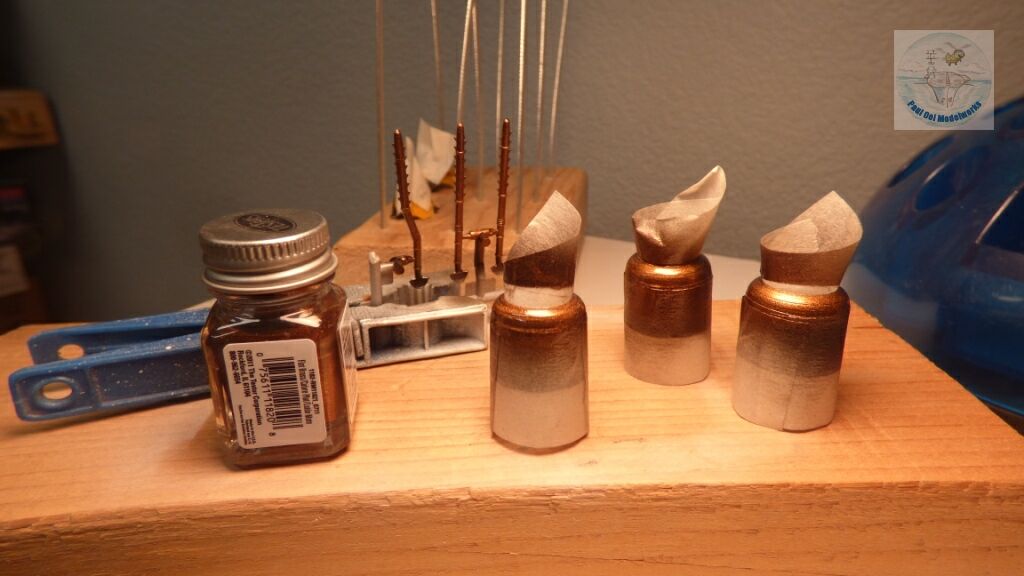
Next, I apply Testors Flat Brass.
Lastly, I hand-paint Metalizer Flat Aluminum. You can also use Tamiya Flat Aluminum XF-16.
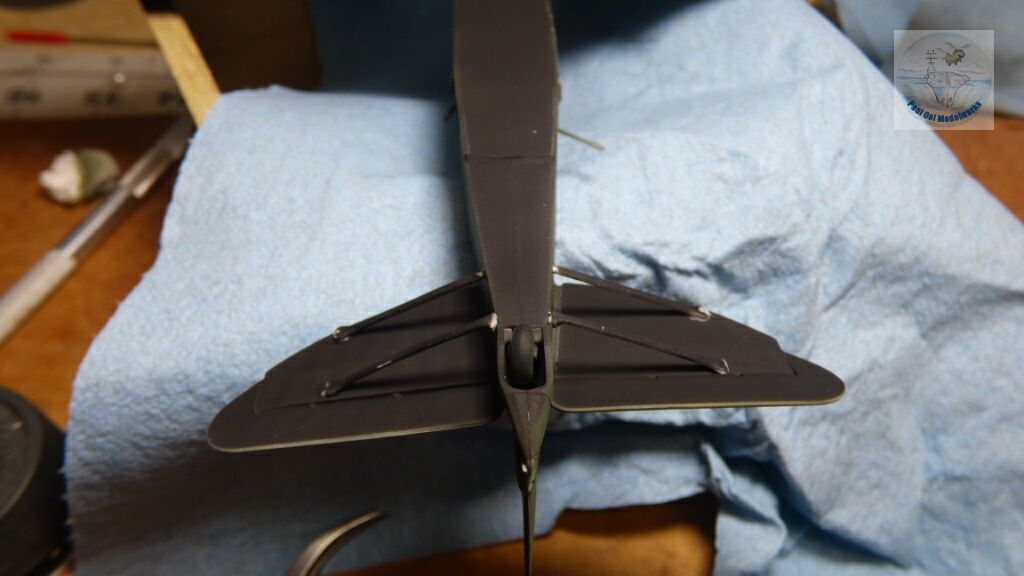
The rear stabilizer support struts are painted Flat Black and installed.
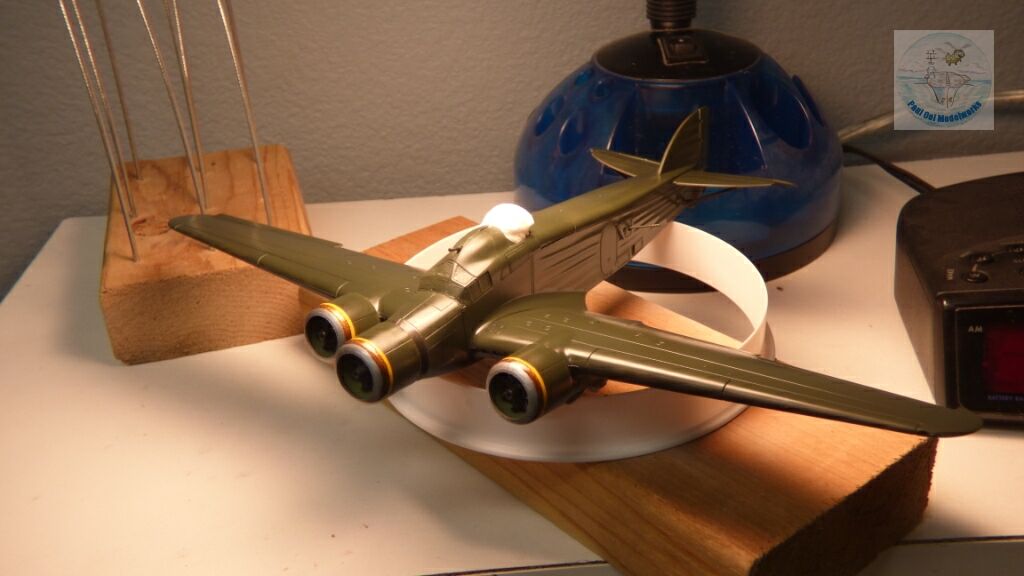
The engine assemblies are installed onto the main fuselage, giving that distinct trimotor look
I apply Future Floor Polish to give the entire aircraft a gloss finish to prepare for decal application.
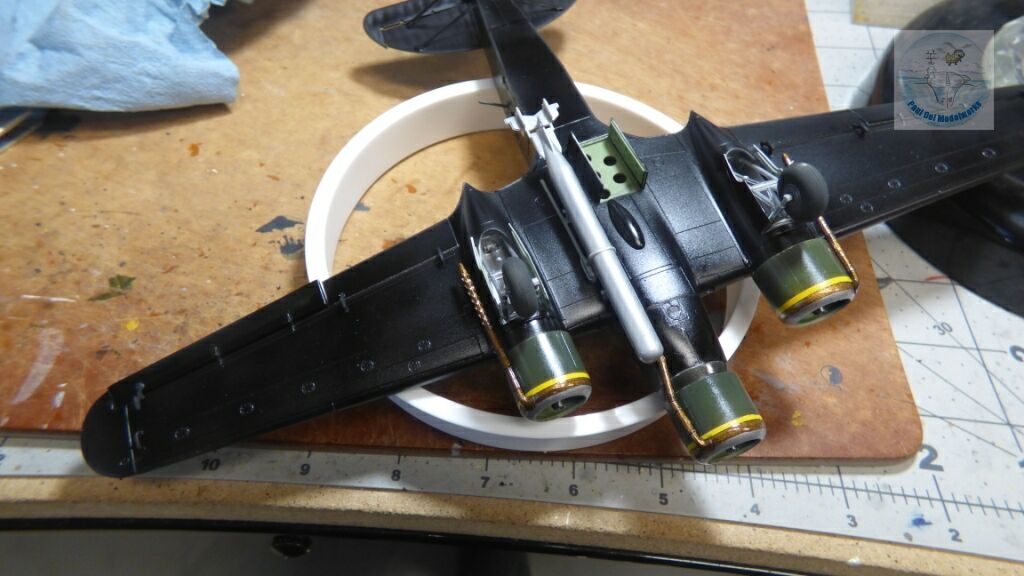
After drying for a day, I flip the aircraft and install the undercarriage wheel assembly.
The torpedo and other underside details are installed. You can see how huge and long the torpedo is compared to the aircraft. The shrouded exhaust are also installed at this time.
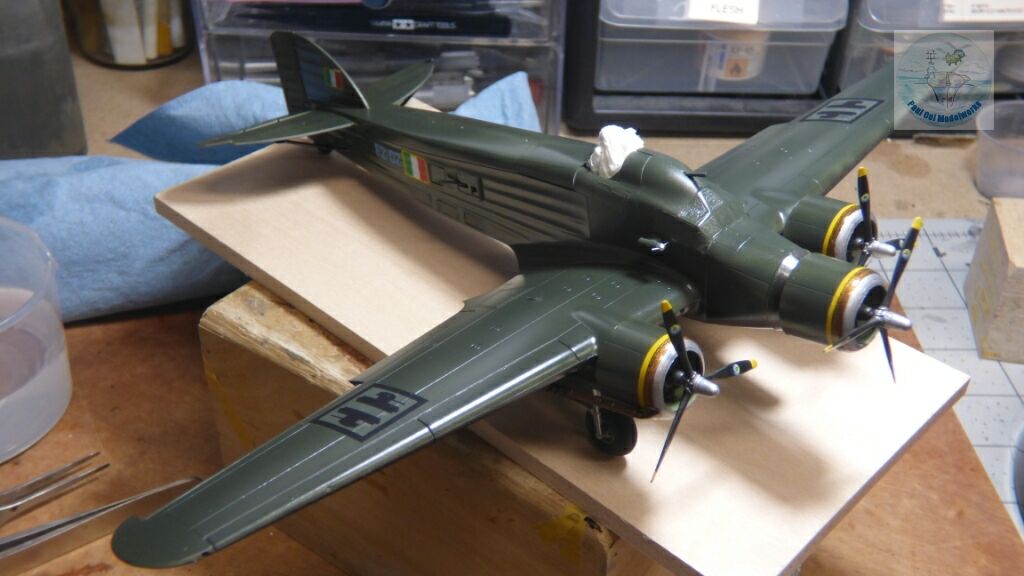
Decals go on! Now the aircraft looks Italian!
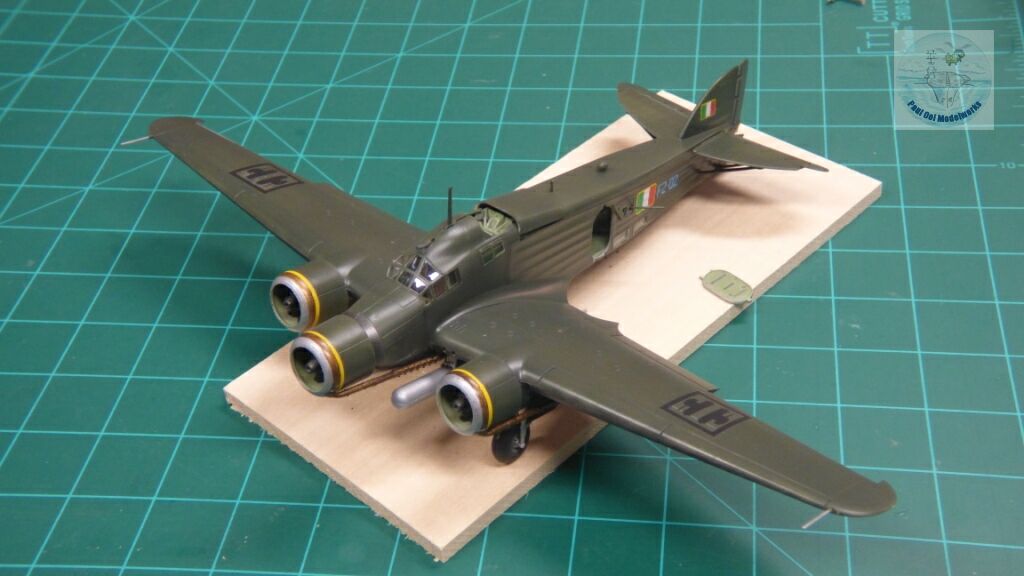
The entire aircraft gets a layer of satin varnish. Notice how the metallic and painted parts now blend together.
The aircraft gets an oil wash of Payne’s Grey, followed by the last of the little fiddly bits and the wire rigging, which turns out to be pretty tricky. Now the SM.79 is ready for take-off. You may ask, ‘why no chipping or rust effect?”. That’s because apart from a steel tubing frame, the SM.79 is built of mostly plywood and cloth. The entire wing section is made of wood! Only the engine housing is made from aluminum panels.


February 9, 2026 · Leave a Comment

Previous Post: « Light and Mighty Tanks of WW2 -Airfix JagdPanzer 38(T) Hetzer & The Russians Who Saved Prague
Next Post: Light and Mighty Tanks of WW2 – Soviet T-70M and ZiS-3 Field Gun from MiniArt »

Reader Interactions

Leave a Reply Cancel reply

Your email address will not be published. Required fields are marked *

Primary Sidebar

Hey! It is nice to meet you!

Paul Ooi Modelworks welcomes casual visitors browsing, and enjoying the pictures as well as more serious fellow modelers looking for tips and references on the art of making miniatures and relishing in the challenge. I will be more than happy to answer any questions you may have about the models.

Please feel free to leave a comment or a question.

  • Email
  • Instagram

NEVER MISS A POST

Member of International List of Scale Model Related Web Sites

International List of Scale Model Related Web Sites

Paul Ooi Modelworks

NEVER MISS A POST

Sign up for notification on new posts.

Footer

  • Email
  • Instagram

Categories

  • Privacy Policy
  • Disclaimer
  • Copyright

© 2011–2026 · Paul Ooi Modelworks · All Rights Reserved